Health
Koriandri: The Remarkable Herb Connecting Flavor and Wellness

Introduction
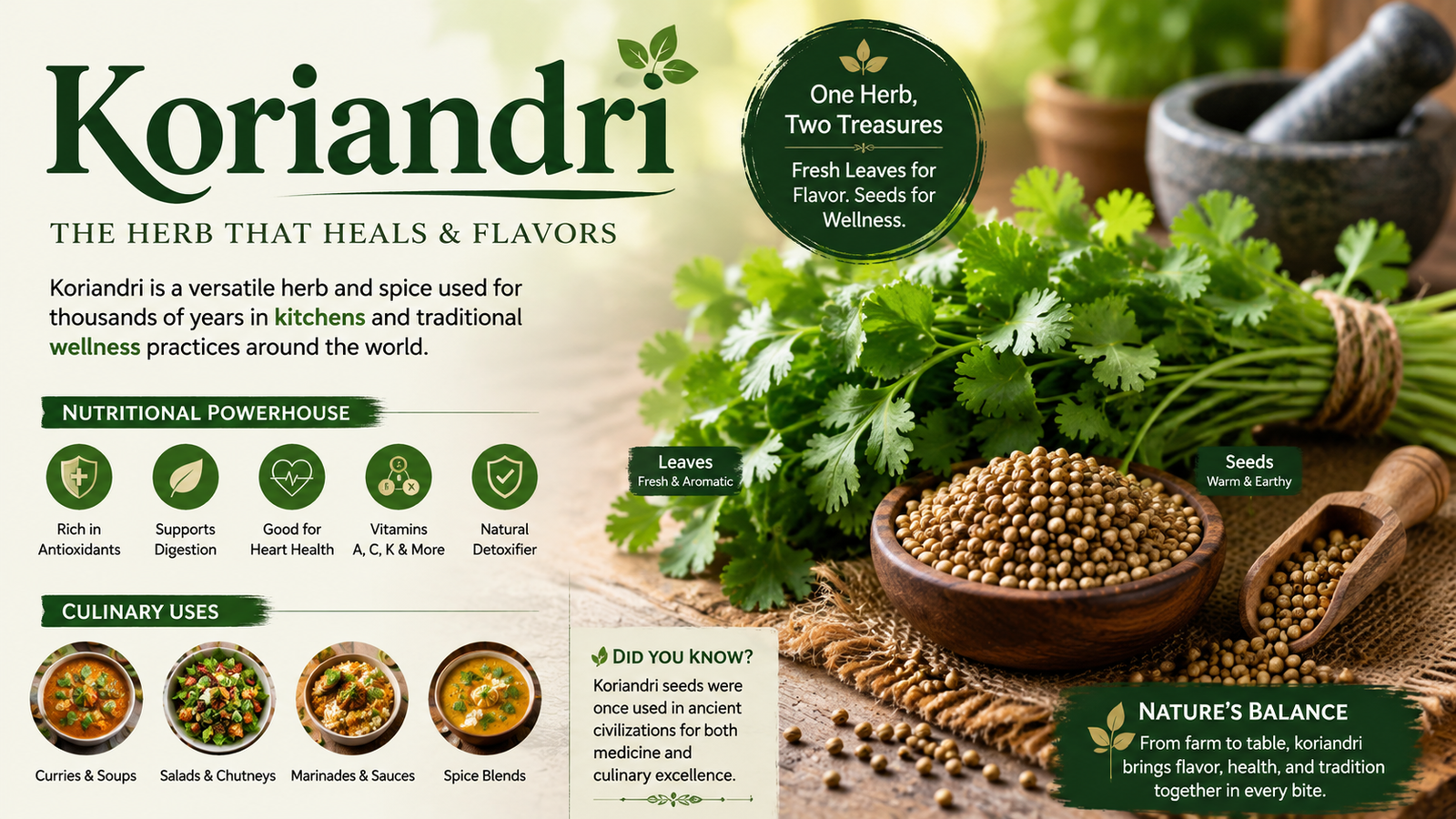
Few herbs have traveled across cultures, cuisines, and centuries as successfully as koriandri. Known for its distinctive aroma, culinary versatility, and impressive nutritional profile, koriandri has become a staple ingredient in kitchens around the world. Whether used as fresh leaves, dried seeds, or ground spice, it contributes a unique character to countless dishes while offering a range of health-supporting properties.
The story of koriandri extends far beyond cooking. Ancient civilizations valued it for medicinal purposes, traders carried it along historic routes, and modern researchers continue to explore its nutritional benefits. Today, koriandri stands as an excellent example of how a simple plant can influence food culture, wellness traditions, and agricultural practices simultaneously.
Understanding koriandri requires looking at its origins, characteristics, uses, and significance in everyday life. By exploring its many dimensions, we gain a deeper appreciation for a herb that often appears ordinary yet possesses extraordinary value.
What Is Koriandri
Koriandri is a herbaceous plant belonging to the Apiaceae family, the same botanical family that includes parsley, carrots, and celery. Scientifically known as Coriandrum sativum, it is cultivated worldwide for both its leaves and seeds. In many regions, the fresh leaves are used as a garnish or flavoring ingredient, while the seeds are dried and utilized as a spice.
One of the most fascinating aspects of koriandri is that different parts of the plant offer remarkably different flavors. The leaves provide a fresh, bright taste with citrus-like notes, whereas the seeds deliver a warm, slightly sweet, and nutty flavor. This dual identity has contributed significantly to the widespread popularity of koriandri in various culinary traditions.
The plant typically grows quickly, reaching moderate heights and producing delicate green leaves along with clusters of small white or pale pink flowers. After flowering, the seeds develop and are harvested for culinary and commercial purposes.
Historical Significance of Koriandri
The history of koriandri stretches back thousands of years. Archaeological findings suggest that it was cultivated in ancient civilizations long before modern agriculture emerged. Historical records indicate that koriandri was known in regions of the Mediterranean, Middle East, and parts of Asia.
Ancient societies valued koriandri not only for food preparation but also for its perceived medicinal properties. Historical texts describe its use in traditional remedies and ceremonial practices. Traders helped spread koriandri across continents, allowing different cultures to adopt and adapt it according to local tastes and traditions.
As civilizations expanded and exchanged goods, koriandri became integrated into diverse cuisines. Its enduring presence throughout history demonstrates its practical value and remarkable adaptability.
Botanical Characteristics of Koriandri
From a botanical perspective, koriandri is an annual plant that completes its life cycle within a single growing season. It thrives in well-drained soil and moderate climates, making it suitable for cultivation in many regions around the world.
The leaves of koriandri are soft and feathery, often resembling flat-leaf parsley. The plant develops slender stems and eventually produces umbrella-shaped clusters of flowers. These flowers later transform into round seeds that are harvested and processed for culinary use.
One lesser-known characteristic of koriandri is its sensitivity to environmental conditions. Temperature, soil quality, and moisture levels can influence the intensity of its flavor and aroma. This variability contributes to the subtle differences observed among koriandri grown in different regions.
Nutritional Value of Koriandri
Koriandri contains an impressive range of nutrients despite its modest appearance. The leaves provide vitamins, minerals, antioxidants, and beneficial plant compounds that support overall well-being.
Vitamin C, vitamin K, and vitamin A are among the key nutrients found in fresh koriandri leaves. These nutrients contribute to immune support, healthy skin, and normal bodily functions. Additionally, the plant contains antioxidants that help protect cells from oxidative stress.
The seeds of koriandri also possess nutritional value. They contain essential oils, dietary fiber, and various plant compounds that contribute to their distinctive flavor and potential health benefits. This combination of nutrients helps explain why koriandri remains important in both culinary and wellness traditions.
Culinary Importance of Koriandri
The culinary appeal of koriandri lies in its versatility. It can be incorporated into soups, curries, salads, sauces, marinades, and countless other dishes. Few herbs can transition as seamlessly between fresh and cooked applications.
Fresh koriandri leaves are commonly added near the end of cooking to preserve their delicate flavor. They provide brightness and freshness that can transform even simple recipes. Meanwhile, ground koriandri seeds contribute warmth and depth to spice blends and savory preparations.
Different cultures have developed unique approaches to using koriandri. In some cuisines, it serves as a primary flavoring ingredient, while in others it plays a supporting role. Regardless of the specific application, koriandri consistently enhances complexity and balance in food.
The Unique Flavor Profile of Koriandri
One reason koriandri attracts such strong opinions is its unusual flavor profile. Many people describe it as fresh, citrusy, and vibrant, while others perceive entirely different characteristics.
Scientific research suggests that genetics may influence how individuals experience the flavor of koriandri. Certain people are more sensitive to specific aromatic compounds present in the herb, leading to differing taste perceptions.
This phenomenon has made koriandri one of the most discussed herbs in culinary circles. Despite these differences in perception, its global popularity demonstrates that many people appreciate the distinctive flavor it contributes to food.
Health Benefits Associated With Koriandri
For centuries, traditional wellness systems have recognized the potential benefits of koriandri. Modern studies continue to investigate its nutritional components and biological properties.
Koriandri contains antioxidants that help combat free radicals within the body. Its nutritional profile may support normal immune function, digestive health, and overall wellness. Some studies have also explored the plant’s role in supporting healthy metabolic processes.
Although koriandri should not be viewed as a substitute for professional medical care, its inclusion in a balanced diet can contribute positively to nutritional intake. The combination of flavor and nutrient density makes it a valuable addition to everyday meals.
Koriandri in Traditional Food Cultures
The cultural significance of koriandri extends across multiple continents. In South Asian cooking, it frequently appears in curries, chutneys, and spice mixtures. Middle Eastern cuisine often incorporates koriandri into salads, sauces, and meat dishes.
Latin American food traditions utilize fresh koriandri to add brightness and freshness to numerous recipes. In Mediterranean regions, the herb complements vegetables, seafood, and grain-based dishes.
These diverse culinary applications illustrate how koriandri adapts to different ingredients while maintaining its distinctive identity. Its widespread acceptance reflects centuries of cultural exchange and culinary innovation.
Growing Koriandri at Home
One reason many gardeners enjoy cultivating koriandri is its relatively simple growing requirements. The plant can thrive in gardens, containers, and small growing spaces with proper care.
Successful cultivation begins with well-drained soil and adequate sunlight. Consistent watering supports healthy growth, though excessive moisture should be avoided. Because koriandri matures relatively quickly, gardeners often enjoy multiple harvests throughout the growing season.
Growing koriandri at home offers the advantage of accessing fresh leaves whenever needed. Freshly harvested herbs often possess stronger aroma and flavor than commercially packaged alternatives.
Commercial Uses of Koriandri
Beyond household kitchens, koriandri plays an important role in commercial industries. Food manufacturers use it in spice blends, seasonings, sauces, and prepared meals. Its flavor contributes to a wide variety of products consumed globally.
The fragrance industry also values compounds derived from koriandri. Certain aromatic elements are used in perfumes, soaps, and personal care products. This demonstrates how the plant’s appeal extends beyond culinary applications.
Agricultural producers benefit from growing koriandri as a commercial crop due to consistent demand across multiple markets. Its economic significance continues to support farmers and businesses worldwide.
Why Koriandri Remains Popular Today
Modern consumers increasingly appreciate ingredients that combine flavor, versatility, and nutritional value. Koriandri satisfies all three criteria, helping explain its enduring popularity.
Its ability to enhance both traditional and contemporary recipes ensures ongoing relevance. Chefs and home cooks continue experimenting with koriandri in innovative ways while preserving classic culinary traditions.
Another factor contributing to its popularity is accessibility. Fresh leaves, dried seeds, and ground spice forms are widely available, allowing people from different backgrounds to incorporate koriandri into their daily meals.
Conclusion
Koriandri is far more than a simple culinary herb. It represents a remarkable combination of history, flavor, nutrition, and cultural significance. From ancient civilizations to modern kitchens, koriandri has maintained a strong presence because of its versatility and practical value.
Its distinctive taste, nutritional benefits, and adaptability have earned it a respected place in cuisines across the globe. Whether enjoyed as fresh leaves or aromatic seeds, koriandri continues to enrich meals and connect people through shared culinary traditions.
As interest in natural ingredients and global food culture continues to grow, koriandri remains an enduring symbol of how one plant can influence cooking, agriculture, and wellness simultaneously.
FAQs
What is koriandri commonly known as?
Koriandri refers to Coriandrum sativum, a herb whose leaves and seeds are widely used in cooking around the world.
Is koriandri the same as coriander?
Yes, koriandri is another form of the name commonly associated with coriander, a popular culinary herb and spice plant.
Can both the leaves and seeds of koriandri be used?
Yes, the leaves and seeds of koriandri are both edible and offer different flavors, making the plant highly versatile.
Does koriandri have nutritional benefits?
Koriandri contains vitamins, minerals, antioxidants, and beneficial plant compounds that contribute to a balanced diet.
Why do some people dislike the taste of koriandri?
Research suggests that genetic differences may affect how certain aromatic compounds in koriandri are perceived, leading to varying taste experiences.


lokumları: The Sweet Legacy of Turkish Delight Across Generations

tatavel: Uncovering the Meaning Behind an Emerging Online Trend

pabington: Exploring the Mystery Behind a Rising Online Phenomenon

riverbank collapse iford playing fields Shocks Local Residents

glasgow water main break shettleston road Sparks Infrastructure Alarm
