
Food
lokumları: The Sweet Legacy of Turkish Delight Across Generations

Introduction
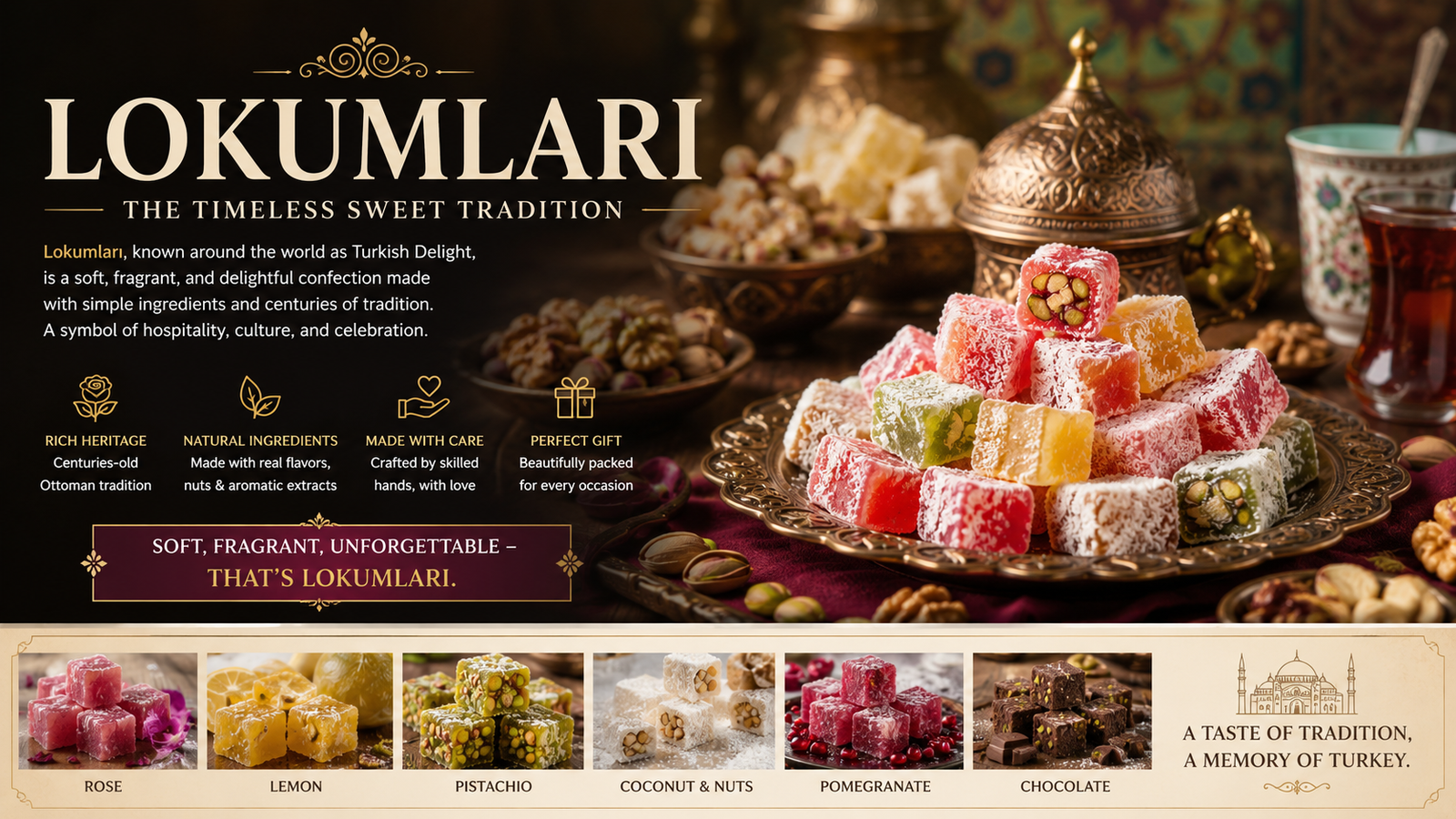
Among the world’s most beloved traditional sweets, few treats carry the cultural richness, history, and craftsmanship found in lokumları. Known internationally as Turkish Delight, these soft, chewy confections have delighted people for centuries with their delicate textures, fragrant aromas, and remarkable variety of flavors. More than just a dessert, represent hospitality, celebration, and a deep connection to culinary heritage.
From bustling Turkish bazaars to elegant gift boxes shared during holidays and special occasions, lokumları have maintained their popularity despite changing food trends. Their appeal lies not only in their sweetness but also in the artistry involved in their creation. Each piece reflects generations of knowledge, careful preparation, and a respect for tradition.
Today, lokumları continue to evolve while preserving their historical roots. Modern varieties introduce new ingredients and flavor combinations, yet the essence of this iconic confection remains unchanged. Understanding means exploring a fascinating journey through culture, craftsmanship, and taste.
What Is lokumları?
lokumları refers to the various forms and varieties of Turkish Delight, a traditional confection primarily made from sugar, water, and starch. The mixture is carefully cooked until it develops a soft, gel-like consistency before being flavored and cut into bite-sized pieces.
Unlike many candies that rely on heavy sweetness alone, lokumları are known for their balanced texture and subtle flavors. Rosewater, lemon, orange blossom, pomegranate, mint, pistachios, walnuts, hazelnuts, and coconut are among the many ingredients commonly incorporated into the confection.
The finished pieces are often coated with powdered sugar, coconut flakes, or starch to prevent sticking. This distinctive appearance and texture have helped make recognizable throughout the world.
The Historical Origins of lokumları
The story of lokumları stretches back several centuries and is deeply intertwined with Ottoman culinary traditions. While sweets made from honey and fruit syrups existed long before modern Turkish Delight, the introduction of refined sugar transformed confectionery production across the region.
During the Ottoman Empire, confectioners experimented with new techniques and ingredients, eventually developing the soft, chewy sweet now recognized as Turkish Delight. By the eighteenth century, lokumları had become a popular treat among both common citizens and members of the royal court.
As trade expanded, travelers carried stories and samples of these unique sweets across Europe and beyond. Their exotic flavors and elegant presentation attracted widespread attention, helping establish their international reputation.
Today, lokumları remain one of Turkey’s most celebrated culinary exports and an enduring symbol of Ottoman gastronomy.
Traditional Ingredients Behind Authentic lokumları
The quality of lokumları depends heavily on the ingredients used and the skill of the confectioner. Traditional recipes rely on surprisingly simple components, yet achieving the perfect result requires considerable expertise.
Sugar provides sweetness and structure, while starch creates the characteristic chewy texture. Water serves as the foundation of the mixture, and natural flavorings introduce complexity and aroma.
Rosewater remains one of the most iconic ingredients associated with traditional lokumları. Its floral fragrance creates a distinctive flavor that has become synonymous with classic Turkish Delight. Citrus flavors such as lemon and orange offer refreshing alternatives, while pomegranate contributes both sweetness and vibrant color.
Nuts play an important role as well. Pistachios, walnuts, and hazelnuts add richness, texture, and visual appeal, transforming simple confections into luxurious treats.
The Art of Making lokumları
Creating exceptional lokumları is both a science and an art. Although the ingredient list may appear straightforward, the production process demands patience, precision, and experience.
The sugar and water are heated carefully until they reach the desired consistency. Starch is then incorporated to create the characteristic gel-like structure. The mixture must be stirred continuously to ensure smoothness and prevent lumps from forming.
Flavorings and additional ingredients are introduced at specific stages to preserve their qualities. Once the mixture reaches the proper texture, it is poured into molds or trays and allowed to cool gradually.
After setting, the confection is cut into pieces and coated with powdered sugar, starch, or coconut. This final step enhances both appearance and handling. Master confectioners often spend years refining their techniques to achieve the ideal balance of softness, elasticity, and flavor.
Popular Varieties of lokumları
One of the reasons lokumları remain so popular is the incredible variety available. Traditional rose-flavored versions continue to be cherished, but numerous other options appeal to diverse tastes.
Pistachio-filled lokumları are particularly prized for their combination of sweetness and nutty richness. Walnut varieties offer a slightly earthier flavor profile, while hazelnut versions provide a creamy texture.
Fruit-based flavors such as lemon, orange, pomegranate, cherry, and apple introduce bright and refreshing notes. Some modern confectioners experiment with coffee, chocolate, vanilla, cinnamon, and even exotic spice combinations.
Regional specialties further expand the range of available options. Different areas often develop their own interpretations based on local ingredients and culinary traditions.
Cultural Significance of lokumları
Beyond their culinary appeal, lokumları occupy an important place in social and cultural traditions. In many communities, offering sweets to guests represents hospitality, generosity, and respect.
During religious celebrations, weddings, family gatherings, and festivals, lokumları frequently appear as part of the shared experience. They symbolize goodwill and are often exchanged as gifts among relatives, friends, and visitors.
Traditional tea and coffee service frequently includes Turkish Delight as a complementary treat. The combination of strong coffee and soft, fragrant creates a balance that has been appreciated for generations.
Their role extends beyond food itself. Lokumları often serve as cultural ambassadors, introducing international visitors to Turkish hospitality and culinary heritage.
Regional Differences in lokumları Production
The production of lokumları varies across different regions, reflecting local preferences and traditions. Certain cities have become especially famous for their confectionery craftsmanship and distinctive styles.
Some producers emphasize floral flavors and delicate textures, while others focus on nut-filled varieties with denser consistency. Differences in ingredient sourcing, cooking methods, and presentation contribute to unique regional identities.
These variations demonstrate how a single confection can adapt to local tastes while maintaining its essential character. Exploring different styles of lokumları offers insight into the diversity of culinary traditions within Turkey and neighboring regions.
Health Considerations and Modern Consumption
Like many sweets, lokumları are best enjoyed in moderation. Their primary ingredients include sugar and starch, making them a source of quick energy rather than a nutritionally balanced food.
However, certain varieties containing nuts may provide additional nutrients such as healthy fats, protein, vitamins, and minerals. The use of natural flavorings and traditional production methods also distinguishes many artisanal products from heavily processed confectionery.
Modern consumers increasingly seek transparency regarding ingredients and production practices. As a result, many confectioners emphasize quality sourcing, authentic recipes, and handcrafted preparation techniques.
This renewed appreciation for traditional craftsmanship has contributed to the continued popularity of lokumları among contemporary audiences.
lokumları in Global Markets
The international appeal of lokumları has expanded significantly over the past century. Once primarily associated with Turkey and the broader Middle East, these sweets can now be found in specialty stores, gourmet markets, and gift shops around the world.
Their unique texture and cultural heritage distinguish them from many other confections. Travelers frequently purchase lokumları as souvenirs, while food enthusiasts seek them out as examples of traditional confectionery excellence.
Global exposure has encouraged innovation while preserving authenticity. Producers continue introducing new flavors and packaging styles to appeal to modern consumers without abandoning the traditions that define the product.
This balance between heritage and adaptation has helped ensure the enduring relevance of lokumları in international markets.
The Future of lokumları
The future of lokumları appears promising as interest in traditional foods continues to grow. Consumers increasingly value authenticity, craftsmanship, and cultural stories behind the products they enjoy.
Artisanal producers are finding new audiences through tourism, specialty retail, and international exports. At the same time, younger generations are discovering traditional sweets that connect them with cultural heritage.
Innovation will likely continue shaping the industry, but the fundamental appeal of lokumları remains rooted in timeless qualities: simplicity, craftsmanship, and flavor. These strengths have sustained the confection for centuries and will likely continue doing so for generations to come.
Conclusion
lokumları represent far more than a sweet confection. They embody centuries of culinary tradition, cultural identity, and artisanal expertise. From their origins within the Ottoman Empire to their presence on tables around the world, these beloved treats have maintained a remarkable ability to delight and connect people.
Their enduring popularity reflects a combination of flavor, craftsmanship, and cultural significance that few sweets can match. Whether enjoyed alongside coffee, shared during celebrations, or given as thoughtful gifts, lokumları continue to symbolize hospitality and tradition.
As food cultures evolve and global tastes expand, the legacy of lokumları remains strong. Their story serves as a reminder that some culinary traditions endure because they offer more than taste alone—they provide a meaningful connection to history, community, and shared experience.
FAQs
What are lokumları?
lokumları are varieties of Turkish Delight, a traditional confection made from sugar, starch, water, and various flavorings.
What flavors are commonly used in lokumları?
Popular flavors include rose, lemon, orange, pomegranate, mint, pistachio, walnut, hazelnut, and coconut.
Where did lokumları originate?
lokumları originated in the Ottoman Empire and became an important part of Turkish culinary tradition.
Are lokumları always made with nuts?
No. While many varieties contain pistachios, walnuts, or hazelnuts, others are made without nuts and focus on fruit or floral flavors.
Why are lokumları often served with coffee?
The sweetness and soft texture of lokumları complement the strong, rich flavor of traditional Turkish coffee, creating a balanced tasting experience.
Introduction
Cooking is often described as a balance between flavor, texture, and structure. While seasonings and ingredients receive most of the attention, many successful recipes depend on a less celebrated but equally important element: the binder. Whether you’re shaping meatballs, baking cakes, preparing veggie burgers, or creating delicate pastries, binders help ingredients stay together and perform as intended.
Many home cooks follow recipes without fully understanding the purpose behind certain ingredients. Eggs in meatloaf, breadcrumbs in crab cakes, or flour in dough may seem ordinary, but each plays a critical role in holding ingredients together. Understanding binders can dramatically improve cooking results and help cooks adapt recipes with confidence.
When people ask what is a binder in cooking, they are exploring one of the fundamental concepts behind food structure. The answer reveals how ingredients interact, why some dishes hold their shape while others fall apart, and how professional chefs achieve consistency across countless recipes.
What Is what is a binder in cooking
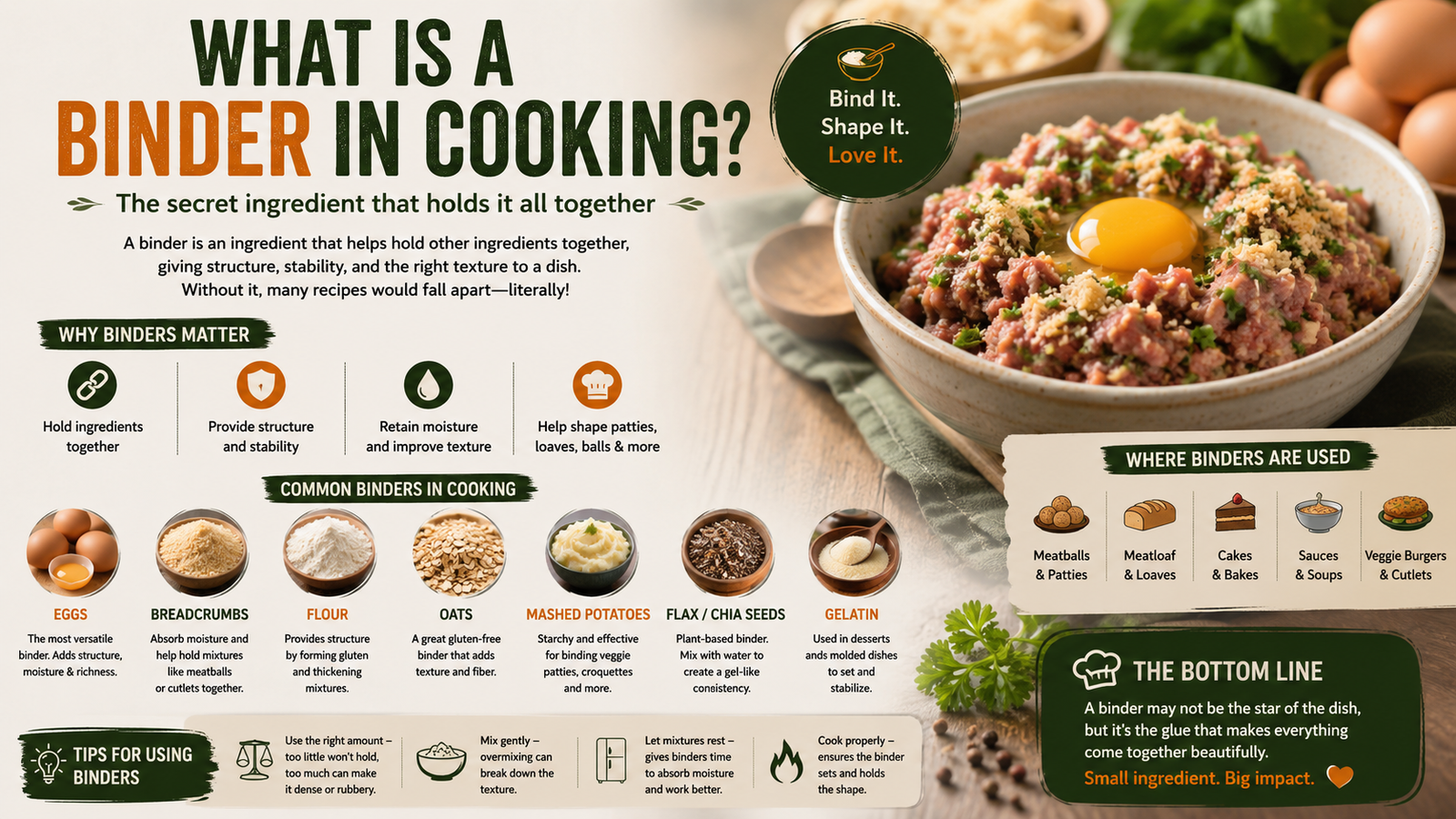
The question what is a binder in cooking refers to ingredients used to hold other ingredients together, creating stability, cohesion, and structure within a dish. A binder acts like a culinary glue, helping separate components remain connected during preparation, cooking, and serving.
Binders are especially important when ingredients naturally lack the ability to stay together. Ground meat, vegetables, grains, and other loose components often require a binding ingredient to form patties, balls, loaves, or baked products. Without a suitable binder, these foods may crumble, separate, or lose their desired texture.
Common binders include eggs, breadcrumbs, flour, starches, oats, gelatin, mashed potatoes, and various plant-based alternatives. Each binder works differently, making it important to select the right one for a specific recipe.
Why Binders Matter in Everyday Cooking
Understanding what is a binder in cooking becomes easier when considering what happens without one. Imagine forming a burger from ground vegetables without any binding ingredient. The mixture may appear stable before cooking but can easily fall apart when flipped or served.
Binders create cohesion between ingredients by absorbing moisture, forming protein networks, or creating a gel-like structure during cooking. This process helps maintain shape while improving texture and consistency.
In baking, binders contribute to crumb structure and stability. In savory dishes, they prevent crumbling and enhance mouthfeel. Their role extends beyond simply holding ingredients together; they often influence moisture retention, tenderness, and overall eating experience.
How Binders Work at a Scientific Level
The science behind binders is fascinating because different ingredients achieve similar goals through different mechanisms.
Eggs are among the most versatile binders because their proteins coagulate when heated. As proteins unfold and connect during cooking, they form a network that traps ingredients together.
Starches such as flour, cornstarch, and potato starch absorb water and swell during heating. This creates thickness and structure that help maintain cohesion.
Gelatin functions differently by forming a gel matrix when cooled. This property makes it useful in desserts, terrines, and molded dishes.
Certain fibers, including oats and psyllium husk, absorb moisture and create a sticky consistency that binds ingredients naturally. These alternatives are particularly useful in vegetarian and vegan cooking.
Understanding these mechanisms helps explain why recipes often specify particular binders rather than treating all options as interchangeable.
Eggs: The Most Versatile Binder
When discussing what is a binder in cooking, eggs usually appear first because of their remarkable versatility. They bind ingredients, add moisture, contribute richness, and improve texture simultaneously.
Meatballs, meatloaf, crab cakes, and many baked goods rely on eggs to create structure. During cooking, egg proteins solidify and connect surrounding ingredients into a cohesive mixture.
Eggs are especially effective because they combine binding power with emulsifying properties. This means they can also help blend ingredients that normally separate, such as fats and liquids.
The multifunctional nature of eggs explains why they remain one of the most widely used binders across global cuisines.
Breadcrumbs and Their Role in Binding
Breadcrumbs are another classic answer to what is a binder in cooking. Their primary function is moisture absorption, which helps stabilize mixtures and improve texture.
In dishes such as meatballs and meatloaf, breadcrumbs absorb liquid released during cooking. This prevents excessive moisture loss while helping ingredients maintain their shape.
Fresh breadcrumbs create a softer texture, while dried breadcrumbs provide firmer structure. Panko breadcrumbs, known for their airy texture, offer different binding characteristics than traditional breadcrumbs.
Beyond binding, breadcrumbs can influence tenderness and prevent finished products from becoming dense or tough.
Flour and Starch-Based Binders
Flour serves as both a structural and binding ingredient in many recipes. Wheat flour contains proteins that form gluten when mixed with water, creating elasticity and strength.
Cornstarch, arrowroot, tapioca starch, and potato starch offer alternative binding solutions. These ingredients are commonly used in sauces, fillings, and gluten-free cooking.
As starches heat, they absorb water and thicken mixtures. This process creates stability while enhancing texture. Understanding how starches function helps cooks select the best binder for specific applications.
Many traditional recipes rely on starch-based binders because they are affordable, accessible, and highly effective.
Plant-Based Binders for Modern Cooking
As dietary preferences evolve, plant-based alternatives have become increasingly important. Many people researching what is a binder in cooking are seeking options suitable for vegan or allergy-friendly recipes.
Flaxseed meal mixed with water creates a gel-like consistency often referred to as a “flax egg.” Chia seeds produce a similar effect and are widely used in plant-based baking.
Mashed potatoes, sweet potatoes, pumpkin puree, and cooked rice also serve as natural binders. These ingredients contribute both structure and flavor.
Aquafaba, the liquid from cooked chickpeas, has gained popularity because it can mimic some functions traditionally provided by eggs.
These alternatives demonstrate that effective binding can be achieved through many different ingredients and techniques.
Binders in Baking
Baking provides some of the clearest examples of why understanding what is a binder in cooking matters. Cakes, cookies, muffins, and breads depend on carefully balanced binding ingredients.
Without adequate binding, baked goods may crumble excessively or collapse after baking. Too much binder can create dense or rubbery textures.
Eggs often provide the primary binding function in baking, but flour, starches, and other ingredients contribute as well. The interaction between these components determines texture, moisture, and structural integrity.
Professional bakers pay close attention to binder ratios because even small changes can dramatically affect final results.
Binders in Meat and Seafood Dishes
Ground meat dishes frequently rely on binders to maintain shape and texture. Burgers, meatballs, sausages, and patties all benefit from ingredients that improve cohesion.
Eggs and breadcrumbs are common choices because they complement the natural proteins present in meat. These ingredients help distribute moisture evenly while preventing the mixture from breaking apart.
Seafood dishes such as crab cakes and fish patties often require particularly careful binding because seafood proteins can be delicate. The right binder helps preserve texture while maintaining structural integrity.
This practical application highlights why knowledge of binders remains valuable for cooks at every skill level.
Common Mistakes When Using Binders
Even experienced cooks occasionally make mistakes when working with binders. One common issue is using too much binder, which can produce heavy, dense textures.
Another frequent problem is selecting an inappropriate binder for a specific recipe. A starch-based binder may perform differently than an egg-based binder, leading to unexpected results.
Insufficient mixing can also reduce effectiveness because the binder must be distributed evenly throughout the mixture. Conversely, overmixing may create undesirable textures, especially in baked goods and meat preparations.
Understanding the purpose of each binder helps avoid these mistakes and improves consistency in the kitchen.
Choosing the Right Binder for Different Recipes
The best binder depends on the desired outcome. A delicate fish cake requires a different approach than a hearty meatloaf or a soft cake.
Texture expectations play a significant role. Some recipes need a firm structure, while others require tenderness and moisture. Flavor considerations also matter because certain binders contribute noticeable tastes.
Dietary requirements may influence selection as well. Vegan, gluten-free, and allergen-conscious cooking often require specialized alternatives that replicate traditional binding functions.
Successful cooks learn to evaluate these factors before choosing a binding ingredient.
Conclusion
Understanding what is a binder in cooking unlocks a deeper appreciation for how recipes work. Binders are the hidden architects of texture and structure, ensuring ingredients remain connected while contributing to the overall quality of a dish.
From eggs and breadcrumbs to starches, seeds, and vegetable-based alternatives, binders serve countless culinary purposes. Their role extends beyond simply holding ingredients together; they influence moisture, tenderness, stability, and eating experience.
Whether preparing burgers, baking cakes, creating plant-based recipes, or experimenting with new techniques, knowing how binders function allows cooks to make informed decisions and achieve more reliable results. Mastering this often-overlooked aspect of cooking can transform both confidence and performance in the kitchen.
FAQs
What is a binder in cooking?
A binder in cooking is an ingredient that helps hold other ingredients together, providing structure, stability, and cohesion within a recipe.
What are the most common binders used in cooking?
Eggs, breadcrumbs, flour, cornstarch, oats, gelatin, flaxseed meal, and chia seeds are among the most commonly used binders.
Why are eggs considered excellent binders?
Egg proteins coagulate during cooking, forming a network that holds ingredients together while also contributing moisture and texture.
Can vegan recipes use binders?
Yes. Flaxseed meal, chia seeds, aquafaba, mashed potatoes, and various starches are popular plant-based binding alternatives.
What happens if a recipe does not contain enough binder?
Without sufficient binder, foods such as patties, meatballs, cakes, or baked goods may crumble, separate, or fail to maintain their intended shape.
Introduction
Few foods manage to be both simple and surprisingly fascinating, yet gherkins achieve exactly that. These small, crunchy fruits are often associated with jars of pickles found in kitchens around the world, but their story extends far beyond their familiar appearance. From traditional preservation techniques to their growing popularity in modern cuisine, gherkins have earned a place in countless recipes and food cultures.
What makes gherkins especially interesting is how something so small can deliver such a distinctive flavor. Their crisp texture, tangy taste, and remarkable versatility have transformed them from a humble garden crop into an internationally recognized culinary ingredient. Whether served alongside sandwiches, incorporated into gourmet dishes, or enjoyed as a snack, gherkins continue to captivate food enthusiasts across generations.
Understanding their origins, nutritional value, cultivation, and culinary significance reveals why these tiny fruits remain an enduring favorite. Their journey from farm fields to dining tables offers a fascinating glimpse into agriculture, food preservation, and global eating habits.
What Is gherkins
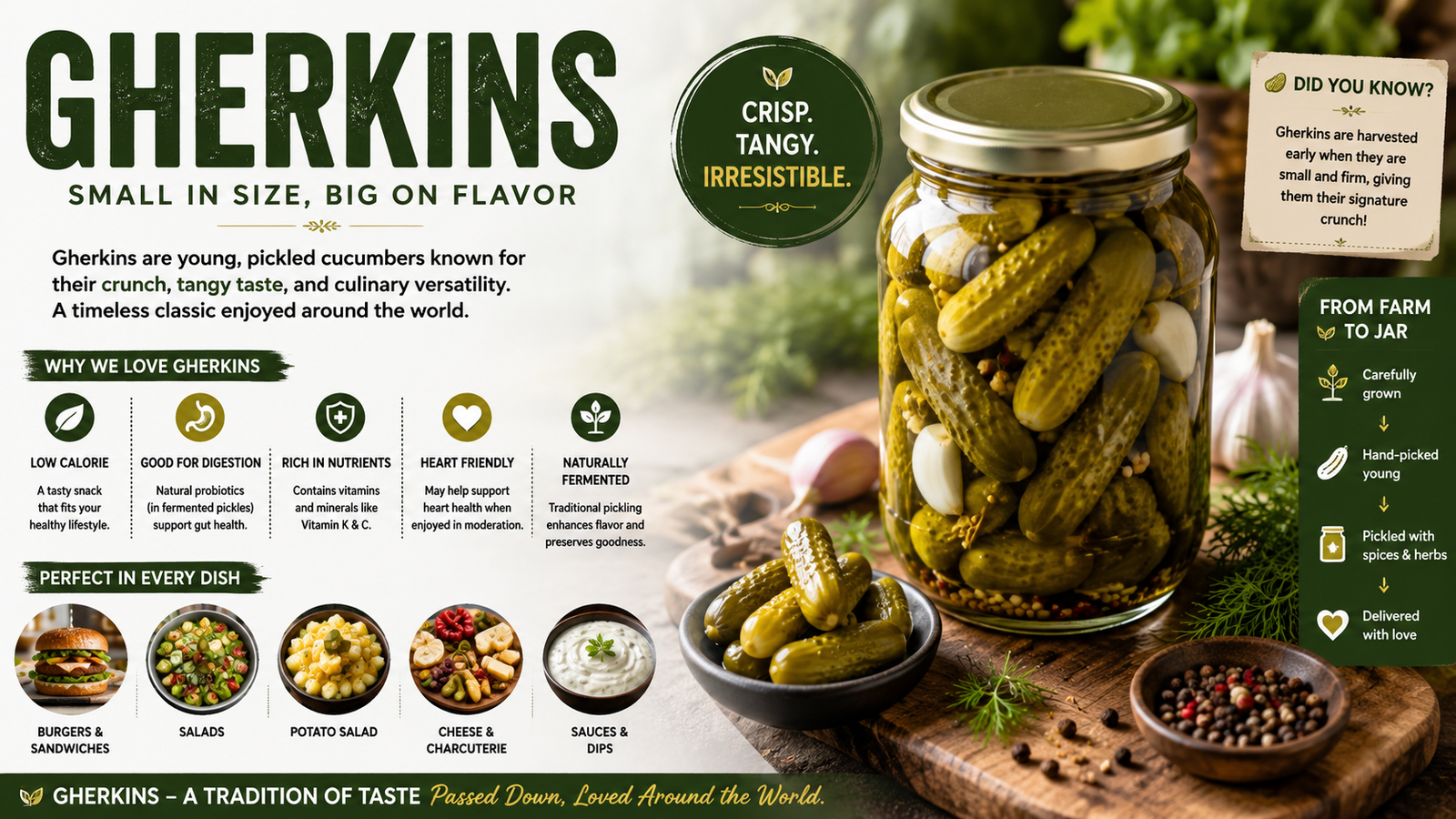
Gherkins are small varieties of cucumber that are typically harvested while still immature and firm. They belong to the species Cucumis sativus and are primarily cultivated for pickling. Unlike larger cucumbers that are commonly eaten fresh, gherkins are prized for their compact size, dense flesh, and ability to maintain a satisfying crunch after preservation.
The term gherkins often refers both to the fresh fruit and the pickled product made from it. Once harvested, these miniature cucumbers are commonly preserved in vinegar, brine, herbs, spices, and seasonings. This process creates the tangy flavor profile that many consumers associate with them.
Although often treated as a simple condiment, gherkins represent a distinct agricultural product with unique characteristics that separate them from standard cucumber varieties.
The Historical Journey of Gherkins
The history of gherkins stretches back thousands of years. Cucumbers originated in South Asia, where they were cultivated long before modern agriculture emerged. Over centuries, traders and explorers introduced cucumber varieties to different regions, eventually leading to specialized cultivation methods for smaller pickling varieties.
Ancient civilizations quickly recognized the value of preserving vegetables through pickling. This allowed food to remain edible during seasons when fresh produce was unavailable. As preservation techniques spread through Europe, specialized cucumber varieties suitable for pickling became increasingly popular.
During the Middle Ages, pickled vegetables were considered practical necessities rather than culinary luxuries. Merchants transported barrels of preserved produce across long distances, helping establish gherkins as a staple in many regions. Their popularity continued growing as international trade expanded and food preservation methods improved.
Today, the global appreciation for gherkins reflects centuries of agricultural refinement and culinary tradition.
Characteristics That Make Gherkins Unique
Several features distinguish gherkins from ordinary cucumbers. Their smaller size is perhaps the most obvious characteristic, but their uniqueness extends much further.
Gherkins typically possess a firmer texture and thicker skin than larger cucumber varieties. This structure allows them to withstand the pickling process without becoming soft or mushy. Their compact interior also helps maintain a pleasant crunch even after months of storage.
Flavor is another distinguishing factor. Fresh gherkins offer a mild cucumber taste, but once pickled, they develop a complex combination of acidity, sweetness, saltiness, and spice. Depending on the recipe used, flavors can range from mildly tangy to intensely sharp.
Their adaptability makes them suitable for a wide variety of culinary applications, contributing significantly to their enduring popularity.
How Gherkins Are Cultivated
Growing gherkins requires careful attention to timing, soil quality, and environmental conditions. Farmers generally prefer well-drained soil enriched with organic matter. Warm temperatures encourage vigorous growth and healthy fruit production.
One of the most important aspects of cultivation involves harvesting. Unlike standard cucumbers, gherkins must be picked while still young and relatively small. Delaying harvest can cause them to become oversized, reducing their suitability for pickling.
Frequent harvesting also encourages continued fruit production throughout the growing season. Skilled growers often inspect fields daily to ensure fruits are collected at the ideal stage of development.
The cultivation process demonstrates how agricultural precision contributes directly to product quality. Every stage, from planting to harvest, influences the final flavor and texture consumers enjoy.
The Science Behind Pickling Gherkins
The transformation of fresh cucumbers into pickled gherkins involves fascinating scientific processes. Pickling primarily relies on acidity and preservation techniques that inhibit harmful microorganisms.
When immersed in vinegar or fermented brine, the environment becomes unsuitable for many bacteria responsible for spoilage. This extends shelf life while simultaneously altering flavor and texture.
During fermentation-based methods, beneficial microorganisms convert natural sugars into acids. These acids contribute to the distinctive tangy taste associated with traditional pickles. Different regions employ varying combinations of herbs, spices, garlic, mustard seeds, dill, and peppercorns to create unique flavor profiles.
The result is a preserved food that combines safety, longevity, and culinary appeal in a remarkably effective way.
Nutritional Value of Gherkins
Although small, gherkins contain several nutrients that contribute to a balanced diet. Fresh varieties provide water, fiber, and modest amounts of vitamins and minerals. Their low-calorie nature makes them attractive to individuals seeking flavorful foods without excessive energy intake.
Pickled versions retain some nutritional benefits while introducing additional considerations. Depending on preparation methods, they may contain significant sodium levels due to brining processes. However, they also offer flavor intensity that allows small portions to enhance meals.
Some fermented gherkins may contain beneficial microorganisms associated with traditional fermentation. These microorganisms contribute to the complexity of flavor and may support digestive health when present in sufficient quantities.
The nutritional profile varies depending on production methods, making ingredient awareness important for consumers.
Culinary Uses Around the World
The culinary versatility of gherkins extends across numerous cuisines. In many European countries, they accompany cold meats, cheeses, and sandwiches. Their acidity balances rich foods and provides refreshing contrast.
French cuisine frequently incorporates cornichons, a small pickled gherkin variety, into charcuterie presentations. German dishes often feature pickled vegetables alongside sausages and hearty meals. In North America, gherkins appear in burgers, salads, and countless snack platters.
Modern chefs continue discovering innovative uses for them. Finely chopped gherkins enhance sauces, dressings, and spreads. Their texture adds interest to sandwiches and wraps, while their sharp flavor can elevate simple recipes.
This remarkable adaptability explains why they remain relevant in both traditional and contemporary cooking.
Economic Importance of Gherkins
The cultivation and processing of gherkins contribute significantly to agricultural economies in several countries. Specialized farming operations focus exclusively on producing high-quality pickling cucumbers destined for domestic and international markets.
Export industries surrounding pickled vegetables generate employment opportunities across farming, processing, packaging, transportation, and retail sectors. Countries with favorable climates often develop substantial agricultural infrastructure dedicated to meeting global demand.
The popularity of preserved foods ensures stable market opportunities, encouraging continued investment in cultivation technologies and quality improvement initiatives.
As consumer interest in flavorful preserved foods continues growing, the economic relevance of gherkins remains strong.
Cultural Significance and Food Traditions
Beyond their practical uses, gherkins hold cultural significance in many societies. Traditional recipes passed through generations frequently include pickled vegetables as essential components.
Family gatherings, holiday meals, and regional celebrations often feature preserved foods prepared according to longstanding traditions. In some communities, homemade pickling represents an important seasonal activity that strengthens family connections and preserves culinary heritage.
These traditions highlight how food extends beyond nutrition. Gherkins symbolize continuity, craftsmanship, and cultural identity in many parts of the world.
Their presence in diverse food customs reflects the universal appeal of preservation techniques developed centuries ago.
Modern Consumer Trends and Gherkins
Consumer preferences have evolved considerably, yet gherkins continue to thrive in modern food culture. Growing interest in artisanal foods has encouraged renewed appreciation for traditional pickling methods.
Many consumers now seek products featuring natural ingredients, distinctive flavors, and authentic preparation techniques. This trend has inspired producers to experiment with unique spice combinations, fermentation methods, and premium ingredients.
At the same time, convenience remains important. Ready-to-eat packaging formats have expanded accessibility, making it easier than ever for people to enjoy gherkins as snacks, side dishes, or recipe ingredients.
Their ability to adapt to changing consumer expectations ensures their continued relevance in contemporary markets.
Conclusion
Gherkins represent far more than simple pickled cucumbers. They embody centuries of agricultural expertise, culinary innovation, and cultural tradition. From their origins as specialized cucumber varieties to their status as beloved ingredients worldwide, they have maintained a remarkable presence in global food culture.
Their distinctive texture, vibrant flavor, and versatility make them valuable additions to countless dishes. Equally important, their history reveals how preservation techniques helped communities store food, reduce waste, and enhance flavor long before modern refrigeration existed.
As culinary trends continue evolving, gherkins remain a timeless example of how a humble agricultural product can achieve lasting significance. Their enduring popularity reflects not only exceptional taste but also a rich heritage that continues to connect people through food.
FAQs
What is the difference between gherkins and cucumbers?
Gherkins are small cucumber varieties specifically grown for pickling. They are usually harvested earlier and have a firmer texture than standard cucumbers.
Are gherkins healthy to eat?
Yes, gherkins are generally low in calories and contain beneficial nutrients. However, pickled versions can be high in sodium, so moderation is recommended.
Why are gherkins commonly pickled?
Their firm texture and small size make them ideal for pickling. They retain their crunch and absorb flavors effectively during preservation.
Can gherkins be eaten fresh?
Yes, fresh gherkins can be consumed raw. They have a mild cucumber flavor and crisp texture before undergoing pickling.
How long do pickled gherkins last?
Properly preserved and sealed pickled gherkins can remain edible for many months, though storage conditions and preparation methods influence shelf life.
Introduction
In the world of modern beverages, few drinks have achieved the cultural impact and widespread popularity associated with babeltee. What began as a creative tea-based refreshment has evolved into a global phenomenon enjoyed by millions of people across different age groups and cultures. Known for its colorful appearance, customizable ingredients, and distinctive chewy pearls, babeltee represents much more than a simple drink. It is a social experience, a culinary innovation, and a reflection of changing consumer tastes.
The rise of babeltee demonstrates how traditional ingredients can be transformed into something entirely new while still maintaining connections to their roots. Cafés dedicated to this beverage continue to expand worldwide, introducing unique flavors, textures, and preparation methods that keep consumers interested and engaged.
As interest in specialty beverages grows, understanding the history, ingredients, popularity, and cultural significance of babeltee provides valuable insight into one of the most influential drink trends of recent decades.
What Is babeltee
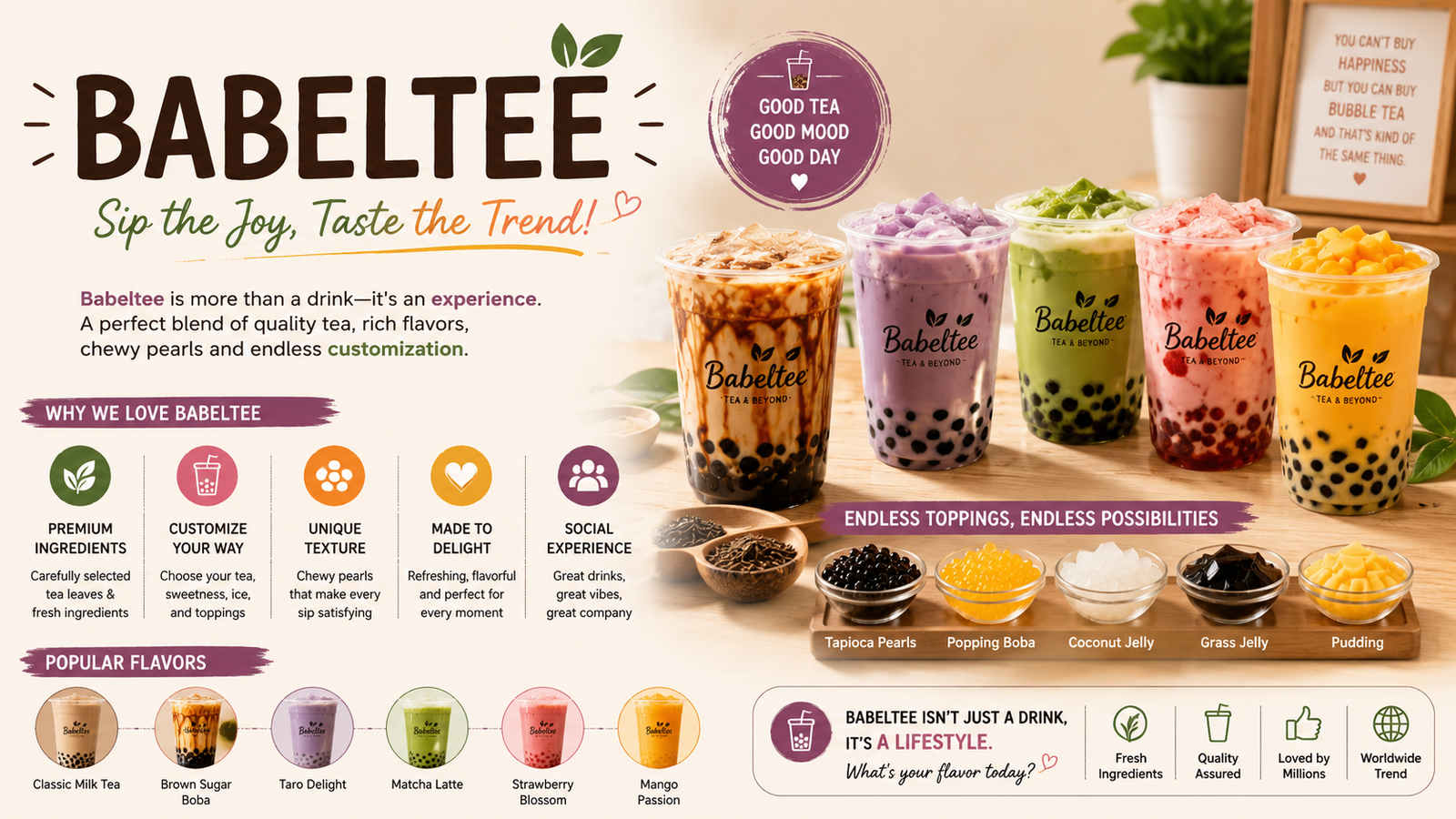
babeltee is a tea-based beverage that typically combines brewed tea, milk or fruit flavorings, sweeteners, and chewy tapioca pearls or similar toppings. The drink is usually served cold, although warm versions are also available in some regions.
One of the defining characteristics of babeltee is its ability to be customized. Consumers can choose from a wide variety of tea bases, sweetness levels, toppings, and flavor combinations. This flexibility allows each person to create a drink that matches their individual preferences.
The unique texture created by tapioca pearls contributes significantly to the popularity of babeltee. Drinking and chewing simultaneously creates an experience unlike traditional beverages, making it memorable and enjoyable for many consumers.
The Origins of babeltee
The history of babeltee traces back to East Asia, where tea culture has deep historical roots. Creative beverage makers began experimenting with tea-based drinks by adding milk, sweeteners, and chewy ingredients. These experiments eventually led to the development of the beverage now widely recognized as babeltee.
Initially, the drink gained popularity among younger consumers who appreciated its novelty and customizable nature. As social trends and international food culture expanded, babeltee quickly moved beyond its original market and attracted global attention.
The beverage’s success illustrates how innovative food and drink concepts can transcend geographical boundaries when they offer a unique and enjoyable experience.
The Ingredients That Define babeltee
Several key ingredients contribute to the distinctive identity of babeltee. The foundation is usually a tea base, which may include black tea, green tea, oolong tea, or specialty tea blends. Each type of tea provides its own flavor profile and aroma.
Milk is another common component, adding creaminess and richness to the beverage. Some variations use dairy products, while others rely on plant-based alternatives to accommodate different dietary preferences.
Tapioca pearls remain one of the most recognizable elements of babeltee. Made from starch extracted from cassava roots, these pearls develop a soft and chewy texture when cooked properly. Additional toppings such as fruit jellies, pudding, aloe vera, and popping pearls further expand customization possibilities.
Why babeltee Became a Global Trend
The remarkable growth of babeltee can be attributed to several factors. First, the beverage offers a highly interactive drinking experience that differs significantly from traditional soft drinks, coffee, or tea.
Second, visual appeal plays an important role. The colorful layers, attractive toppings, and transparent cups make babeltee highly recognizable and appealing. Consumers often enjoy sharing images of their drinks, contributing to the beverage’s widespread visibility.
Another reason for its popularity is versatility. Whether someone prefers fruity flavors, creamy beverages, or strong tea notes, babeltee provides options for nearly every taste preference. This adaptability has helped it appeal to diverse audiences worldwide.
Flavor Diversity in babeltee
One of the most exciting aspects of babeltee is its extraordinary variety of flavors. Traditional milk tea remains a popular choice, but modern cafés continuously introduce new combinations inspired by fruits, desserts, and regional specialties.
Mango, strawberry, passion fruit, lychee, taro, brown sugar, and matcha are among the many flavors frequently associated with babeltee. Seasonal ingredients often inspire limited-edition creations that encourage customers to explore new taste experiences.
The wide flavor range allows babeltee businesses to remain innovative while satisfying both adventurous consumers and those who prefer familiar options.
The Role of Texture in the babeltee Experience
While flavor receives significant attention, texture is equally important to the success of babeltee. The chewy consistency of tapioca pearls creates a sensory experience that distinguishes the beverage from ordinary drinks.
Different toppings contribute additional textures. Some provide softness, others offer bursts of flavor, and some create a jelly-like consistency. These variations transform each cup into a unique combination of tastes and sensations.
This emphasis on texture explains why many consumers view babeltee as more than a beverage. For some, it resembles a light snack or dessert that delivers multiple forms of enjoyment simultaneously.
Health Considerations Related to babeltee
As with many specialty beverages, the nutritional profile of babeltee depends heavily on ingredients and preparation methods. Tea itself contains beneficial compounds and antioxidants, while additional ingredients can significantly influence calorie and sugar content.
Many modern establishments offer customization options that allow customers to adjust sweetness levels or select alternative ingredients. This flexibility enables individuals to make choices that align with their personal preferences and dietary goals.
Understanding ingredient composition helps consumers enjoy babeltee while maintaining awareness of nutritional considerations. Balanced consumption remains important for any sweetened beverage.
The Business Success Behind babeltee
The commercial success of babeltee reflects broader changes in consumer behavior. Modern customers increasingly seek products that combine quality, customization, and memorable experiences.
Specialized babeltee shops often focus on branding, presentation, and innovation. These businesses continuously develop new menu items to maintain customer interest and differentiate themselves from competitors.
The industry has expanded rapidly in many countries, creating employment opportunities and contributing to local economies. The ongoing growth of babeltee demonstrates the strong market demand for unique beverage experiences.
Cultural Influence of babeltee
Beyond its commercial success, babeltee has become a cultural symbol in many communities. Gathering at a babeltee café often serves as a social activity, particularly among younger generations.
The drink has influenced café design, menu development, and consumer expectations regarding customization. Its popularity has encouraged businesses to experiment with creative ingredients and personalized offerings.
Cultural exchange has also played a role in the global expansion of babeltee. As people explore foods and beverages from different regions, they help introduce these traditions to new audiences and markets.
Future Innovations in babeltee
The future of babeltee appears promising as businesses continue exploring innovative ingredients and preparation techniques. New flavor combinations, alternative toppings, and sustainability-focused packaging solutions are likely to shape the next phase of industry development.
Consumer demand for personalization remains strong, encouraging brands to expand customization options further. Technological improvements in food preparation may also influence production methods and product consistency.
As tastes evolve, babeltee is expected to remain adaptable, ensuring continued relevance in a competitive beverage market.
The Lasting Appeal of babeltee
The enduring popularity of babeltee stems from its ability to combine tradition and innovation. While rooted in established tea culture, the beverage continuously evolves to meet changing consumer expectations.
Its appeal extends beyond flavor alone. The visual presentation, interactive textures, and social aspects all contribute to its ongoing success. Few beverages manage to create such a complete sensory experience.
For many consumers, babeltee represents enjoyment, creativity, and connection. These qualities help explain why it continues attracting new fans around the world.
Conclusion
babeltee has transformed from a creative tea-based beverage into a global cultural phenomenon. Its combination of customizable flavors, unique textures, and visual appeal has allowed it to transcend borders and become a favorite choice for millions of people.
The drink’s success reflects broader trends in food culture, where consumers increasingly value personalization, experience, and innovation. From traditional milk tea to modern fruit-infused creations, babeltee continues evolving while maintaining the qualities that made it popular in the first place.
As new ingredients and ideas emerge, babeltee is likely to remain an influential part of the global beverage industry. Its ability to adapt while preserving its distinctive identity ensures that it will continue delighting consumers for years to come.
FAQs
What is babeltee made of?
babeltee is typically made from tea, sweeteners, milk or fruit flavorings, and toppings such as tapioca pearls.
Why is babeltee so popular?
Its popularity comes from customizable flavors, unique textures, attractive presentation, and enjoyable social experiences.
Are all babeltee drinks served cold?
No. While most versions are served cold, some establishments also offer warm babeltee options.
What makes babeltee different from regular tea?
The addition of toppings, flavorings, milk, and customizable ingredients creates a completely different drinking experience.
Can babeltee be customized?
Yes. Customers can usually choose tea types, sweetness levels, ice amounts, and various toppings to create personalized beverages.

lokumları: The Sweet Legacy of Turkish Delight Across Generations

tatavel: Uncovering the Meaning Behind an Emerging Online Trend

pabington: Exploring the Mystery Behind a Rising Online Phenomenon

riverbank collapse iford playing fields Shocks Local Residents

glasgow water main break shettleston road Sparks Infrastructure Alarm
