
Blog
flowerspring: Nature’s Seasonal Awakening Through Blooming Life


Introduction
The arrival of spring has inspired poets, gardeners, artists, and nature lovers for centuries. Among the many expressions associated with this season, flowerspring captures a particularly vivid image: a landscape transformed by blooming flowers, renewed energy, and the return of color after the quiet months of winter. More than a simple seasonal phrase, flowerspring represents the remarkable period when plant life awakens and ecosystems begin a new cycle of growth.
Across different regions of the world, flowerspring is celebrated through gardens, festivals, agricultural traditions, and cultural events. It symbolizes hope, renewal, beauty, and resilience. The appearance of blossoms signals not only a visual transformation but also important environmental changes that support pollinators, wildlife, and food production.
Understanding flowerspring requires looking beyond its aesthetic appeal. It is connected to climate patterns, plant biology, ecological balance, and human well-being. From cherry blossoms in Asia to tulip fields in Europe and wildflower meadows across many continents, flowerspring continues to inspire people while playing a crucial role in nature’s annual rhythm.
What Is flowerspring
flowerspring refers to the period during spring when flowers emerge, bloom, and transform natural landscapes with vibrant colors and fragrances. The term combines the ideas of flowering and spring, creating a concept that highlights the season’s most recognizable characteristic: the widespread appearance of blossoms.
Flowerspring is not limited to a single flower species or location. It describes the broader phenomenon of floral renewal that occurs when temperatures rise, daylight hours increase, and plants respond to favorable growing conditions. During flowerspring, gardens, parks, forests, and meadows become active centers of growth and ecological interaction.
The concept also carries emotional significance. For many people, flowerspring represents a fresh start, encouraging optimism and appreciation for the natural world after colder months.
The Science Behind Flowerspring
The beauty of flowerspring is supported by fascinating biological processes. Plants respond to environmental signals that indicate the arrival of spring. Rising temperatures, longer daylight periods, and changes in soil conditions trigger internal mechanisms that encourage growth and flowering.
Inside plants, hormones regulate the transition from dormancy to active development. Buds that remained inactive during winter begin expanding, eventually producing leaves and flowers. Different species respond to these signals at varying rates, which explains why some flowers bloom early while others appear later in the season.
Flowerspring is therefore not a random event. It is the result of complex interactions between weather, sunlight, genetics, and ecological conditions that have evolved over thousands of years.
Why Flowers Bloom During Spring
Spring provides ideal conditions for reproduction in many flowering plants. Warmer temperatures improve growth rates, while increased sunlight allows plants to produce more energy through photosynthesis. These favorable conditions support the development of flowers, seeds, and fruits.
Flowers also emerge during this season because pollinators become more active. Bees, butterflies, birds, and other pollinating species rely on nectar and pollen as food sources. By blooming during flowerspring, plants maximize their chances of successful pollination and reproduction.
This relationship between flowers and pollinators demonstrates one of nature’s most effective partnerships. Without it, many ecosystems would struggle to maintain biodiversity and productivity.
Flowerspring and Its Ecological Importance
The environmental significance of flowerspring extends far beyond visual beauty. Flowering plants provide essential resources for numerous species. Nectar supports insects, while seeds and fruits produced later in the growing season feed birds and mammals.
Flowerspring also contributes to ecosystem stability. Diverse plant communities help protect soil, improve water retention, and create habitats for wildlife. The flowering period serves as a foundation for many food chains that depend on healthy plant populations.
Researchers often monitor flowering patterns because they can reveal valuable information about environmental changes. Shifts in flowerspring timing may indicate broader climate trends affecting ecosystems worldwide.
Famous Flowers Associated With Flowerspring
Many flowers have become symbols of flowerspring due to their striking appearance and seasonal significance. Cherry blossoms are among the most celebrated examples, attracting visitors from around the world during their brief but spectacular blooming period.
Tulips are another iconic flower associated with spring landscapes. Their colorful displays have become cultural landmarks in several countries. Daffodils often appear among the first signs of seasonal change, while crocuses frequently emerge even before winter fully ends.
Magnolias, hyacinths, primroses, and bluebells also contribute to the distinctive character of flowerspring. Together, these blooms create diverse displays that vary according to geography, climate, and local ecosystems.
Cultural Meaning of Flowerspring
Throughout history, flowerspring has carried powerful symbolic meaning. Many cultures view blooming flowers as representations of renewal, growth, and hope. Seasonal celebrations often coincide with the arrival of blossoms, emphasizing themes of rebirth and prosperity.
Literature and art frequently use flowerspring imagery to convey emotional transformation. A blooming landscape can symbolize new opportunities, healing, and positive change. These associations remain strong today, influencing festivals, ceremonies, and creative works around the world.
The enduring cultural appeal of flowerspring demonstrates humanity’s deep connection with seasonal cycles and the natural environment.
Flowerspring in Gardens and Landscaping
Gardeners eagerly anticipate flowerspring because it marks the beginning of active growing seasons. Thoughtful planning allows landscapes to display continuous blooms throughout spring, creating visually appealing and ecologically beneficial environments.
Successful spring gardens often combine early, mid-season, and late-blooming plants. This approach extends the flowering period and supports pollinators over a longer timeframe. Native plants are especially valuable because they are adapted to local conditions and provide resources for regional wildlife.
Flowerspring also influences public spaces. Parks, botanical gardens, and community landscapes frequently showcase seasonal flower displays that attract visitors and enhance urban environments.
The Connection Between Flowerspring and Human Well-Being
The effects of flowerspring extend beyond nature and into human health and happiness. Studies consistently suggest that exposure to flowering landscapes can reduce stress and improve mood. Bright colors, natural fragrances, and outdoor activity all contribute to positive psychological experiences.
Many people feel more energetic and motivated during flowerspring. Increased daylight encourages outdoor recreation, while blooming environments create a sense of vitality and renewal. Gardens, walking trails, and flowering parks often become popular destinations during this period.
The relationship between flowerspring and well-being highlights the importance of maintaining green spaces within modern communities.
Climate Change and the Future of Flowerspring
Recent research has shown that changing climate conditions can affect flowering schedules. In some regions, plants are blooming earlier than historical averages due to warmer temperatures. These shifts may influence pollinator behavior, wildlife activity, and ecosystem balance.
When flowers emerge before pollinators become active, important ecological relationships can be disrupted. Scientists continue studying these changes to better understand their long-term consequences.
Protecting biodiversity and maintaining healthy ecosystems will play a crucial role in preserving the natural rhythm of flowerspring for future generations. Conservation efforts, sustainable land management, and habitat restoration all contribute to this goal.
Flowerspring Around the World
Although flowerspring is a global phenomenon, its appearance varies significantly between regions. Temperate climates often experience dramatic seasonal transitions marked by large-scale flowering events. Tropical areas may display different flowering patterns influenced by rainfall rather than temperature changes.
In mountainous regions, flowerspring may arrive later due to lingering snow and cooler conditions. Coastal environments often experience milder transitions, resulting in extended blooming periods.
These regional differences make flowerspring one of nature’s most diverse and fascinating seasonal expressions. Every location offers its own unique combination of colors, species, and ecological interactions.
The Enduring Appeal of Flowerspring
Part of what makes flowerspring so captivating is its temporary nature. Many blooms last only a short time, encouraging people to appreciate them while they are present. This fleeting beauty creates a sense of wonder that has inspired generations.
Photographers, artists, writers, and nature enthusiasts often document flowerspring because it represents one of the most visually striking periods of the year. The season reminds us that change is a natural part of life and that renewal often follows periods of dormancy and rest.
Its appeal lies not only in what can be seen but also in what it represents: resilience, growth, and the continuing cycles of nature.
Conclusion
Flowerspring is far more than a seasonal display of blossoms. It is a complex natural phenomenon that supports ecosystems, sustains pollinators, enriches cultures, and improves human well-being. Through a combination of biological processes and environmental conditions, flowerspring transforms landscapes into vibrant expressions of life and renewal.
Its importance can be observed in gardens, forests, farms, and urban parks around the world. As environmental challenges continue to shape the future of natural systems, understanding and protecting flowerspring becomes increasingly valuable. The season remains a powerful reminder of nature’s ability to regenerate, inspire, and connect living things through cycles of growth and beauty.
FAQs
What does flowerspring mean?
Flowerspring refers to the spring season’s flowering period when plants bloom and landscapes become colorful with blossoms.
Why is flowerspring important for ecosystems?
Flowerspring provides food for pollinators, supports biodiversity, and contributes to healthy ecological interactions.
Which flowers are commonly associated with flowerspring?
Cherry blossoms, tulips, daffodils, crocuses, magnolias, and hyacinths are commonly linked to flowerspring.
How does climate affect flowerspring?
Temperature, sunlight, and weather patterns influence when flowers bloom and how long flowering periods last.
Why do people enjoy flowerspring so much?
People appreciate flowerspring because it symbolizes renewal, creates beautiful scenery, encourages outdoor activity, and positively affects emotional well-being.

Introduction
Across the world, governments, industries, and communities are searching for ways to balance economic growth with environmental responsibility. Few places have embraced this challenge as ambitiously as Boden, a municipality in northern Sweden that is rapidly becoming a symbol of industrial transformation. At the center of this development is bodenxt, a platform and strategic initiative designed to showcase, coordinate, and accelerate one of Europe’s most significant green transition projects.
What makes bodenxt particularly interesting is that it represents more than a single project or company. It reflects a broader vision for how modern industry, renewable energy, sustainable infrastructure, and community development can work together. As global attention increasingly turns toward cleaner manufacturing and climate-conscious investments, bodenxt has emerged as a compelling example of large-scale regional transformation.
The story of bodenxt is not merely about economic development. It is about reimagining how industrial regions can evolve in response to environmental challenges while creating new opportunities for businesses, workers, and future generations.
What Is bodenxt?
bodenxt is a development platform associated with the municipality of Boden in northern Sweden. It serves as a hub for information, collaboration, and communication regarding the region’s ambitious green industrial transformation.
The initiative highlights major investments in sustainable industries, renewable energy projects, green steel production, infrastructure expansion, innovation, and community growth. Through bodenxt, stakeholders can follow developments shaping Boden into a leading center for environmentally responsible industrial activity.
Rather than functioning as a traditional business project, bodenxt acts as a broader ecosystem that connects public institutions, private investors, industrial companies, educational organizations, and local communities. Its purpose is to create a shared vision for sustainable development while attracting investment and talent to the region.
The Origins of the bodenxt Initiative
The emergence of bodenxt is closely linked to Sweden’s commitment to reducing carbon emissions and accelerating industrial sustainability. Northern Sweden possesses several advantages that make it particularly attractive for green industrial development.
The region has abundant renewable energy resources, including hydroelectric power. It also offers substantial land availability, strong transportation networks, political stability, and access to skilled labor. These factors created ideal conditions for major industrial investments focused on low-carbon production methods.
Recognizing these opportunities, local leaders and development organizations sought to create a coordinated platform capable of presenting Boden’s transformation to national and international audiences. Bodenxt became an essential part of this effort, helping communicate the scale and significance of the region’s evolving industrial landscape.
The Green Transition at the Heart of bodenxt
One of the defining characteristics of bodenxt is its connection to the global green transition. Around the world, industries are under increasing pressure to reduce emissions and adopt cleaner production methods. Traditional industrial processes often rely heavily on fossil fuels, making them significant contributors to greenhouse gas emissions.
Boden’s development strategy focuses on supporting industries that prioritize sustainability from the beginning. This includes projects centered on renewable energy, low-carbon manufacturing, energy efficiency, and environmentally responsible infrastructure.
The vision promoted through bodenxt demonstrates how industrial growth and environmental responsibility do not necessarily have to conflict. Instead, the initiative presents a model in which economic expansion can occur alongside meaningful climate action.
Green Steel and Industrial Innovation
Perhaps the most widely discussed aspect associated with bodenxt is the region’s involvement in green steel production. Steel manufacturing has historically been one of the most carbon-intensive industrial sectors in the world. Traditional methods rely heavily on coal and other fossil fuels, generating substantial emissions.
New technologies are changing this reality. Green steel projects aim to replace conventional production methods with processes powered by renewable energy and hydrogen-based technologies. These innovations have the potential to dramatically reduce emissions while maintaining industrial productivity.
Boden has attracted significant attention because of its role in supporting these emerging technologies. Through bodenxt, the region showcases how industrial innovation can contribute to broader sustainability goals while creating economic opportunities and attracting global investment.
Renewable Energy as a Competitive Advantage
The success of bodenxt depends heavily on access to reliable renewable energy. Northern Sweden is uniquely positioned in this regard due to its extensive hydroelectric resources and growing renewable energy infrastructure.
Clean electricity is becoming increasingly important for modern manufacturing. Industries pursuing carbon reduction goals require stable energy supplies capable of supporting large-scale operations. Renewable energy provides both environmental and economic benefits, making it a crucial factor in attracting investment.
The availability of clean power strengthens Boden’s position as a destination for future-oriented industries. This energy advantage forms one of the foundational pillars of the bodenxt vision and contributes significantly to the region’s attractiveness on the international stage.
Infrastructure Development and Regional Growth
The ambitions associated with bodenxt extend far beyond industrial facilities alone. Large-scale industrial transformation requires significant investment in infrastructure, housing, transportation, utilities, and public services.
As industrial projects expand, communities must adapt to accommodate growing populations and workforce demands. This creates opportunities for urban development, construction, education, healthcare, and local business growth.
Boden’s development strategy recognizes that successful industrial transformation requires a comprehensive approach. The investments highlighted through bodenxt often involve not only factories and production facilities but also the supporting infrastructure necessary to sustain long-term growth.
This integrated perspective helps distinguish the initiative from narrower economic development programs focused solely on industrial output.
Economic Impact and Investment Potential
The economic significance of bodenxt extends beyond local boundaries. Major industrial investments have the potential to generate employment opportunities, stimulate entrepreneurship, attract international capital, and strengthen regional competitiveness.
Large-scale projects often create ripple effects throughout the economy. Construction activities generate demand for materials and services. New industrial operations require suppliers, logistics providers, maintenance specialists, and various supporting businesses.
Investors are increasingly interested in industries aligned with sustainability objectives. As environmental considerations become more important in global markets, regions capable of supporting green industrial growth may gain substantial competitive advantages.
Through bodenxt, Boden positions itself as a destination capable of meeting these emerging economic and environmental expectations simultaneously.
Community Transformation and Social Development
An often-overlooked aspect of bodenxt involves its social dimension. Industrial transformation affects not only businesses and investors but also local residents, families, educational institutions, and community organizations.
Population growth associated with major investments creates both opportunities and challenges. Communities must prepare for increased demand for housing, schools, transportation systems, recreational facilities, and public services.
At the same time, economic expansion can enhance quality of life by creating new career opportunities, supporting local businesses, and encouraging cultural development. The bodenxt initiative frequently emphasizes the importance of balancing economic growth with community well-being.
This broader perspective reflects an understanding that sustainable development involves people as much as infrastructure and industry.
International Attention and Global Relevance
The developments associated with bodenxt have attracted interest far beyond Sweden. Policymakers, business leaders, environmental researchers, and investors around the world are closely observing projects that demonstrate practical pathways toward industrial decarbonization.
Many regions face similar challenges related to economic development, energy transition, and climate commitments. Boden’s experience provides valuable insights into how strategic planning, renewable energy resources, and industrial innovation can work together to support transformation.
As countries seek models for sustainable industrial growth, the lessons emerging from bodenxt may influence future development strategies in other parts of Europe and beyond.
Challenges Facing bodenxt
Despite its promise, bodenxt also faces significant challenges. Large-scale industrial transformation is inherently complex and requires substantial investment, coordination, and long-term commitment.
Workforce availability represents one important consideration. Rapid growth can create demand for skilled workers that exceeds local supply. Education and training programs play a critical role in addressing this challenge.
Infrastructure expansion must also keep pace with industrial development. Housing, transportation systems, and public services require careful planning to accommodate population growth.
Global economic conditions, regulatory changes, technological developments, and market fluctuations can further influence project outcomes. Managing these uncertainties requires flexibility and strategic leadership.
Nevertheless, the willingness to address these challenges forms part of what makes bodenxt a noteworthy example of modern regional development.
The Future Vision of bodenxt
Looking ahead, bodenxt represents more than a current development initiative. It embodies a long-term vision for how industrial regions can evolve within a rapidly changing global economy.
Future growth may include additional renewable energy investments, expanded industrial capacity, technological innovation, research partnerships, and continued community development. As sustainability becomes increasingly central to economic decision-making, the principles underlying bodenxt may become even more relevant.
The initiative demonstrates that environmental responsibility and industrial competitiveness are not mutually exclusive goals. Instead, they can reinforce one another when supported by strategic planning, innovation, and collaboration.
Conclusion
bodenxt stands as one of the most ambitious examples of green industrial transformation currently taking shape in Europe. By bringing together renewable energy, sustainable manufacturing, infrastructure development, community planning, and long-term economic strategy, the initiative offers a compelling vision for the future.
Its significance extends beyond Boden itself. The challenges addressed by bodenxt—climate change, industrial modernization, economic growth, and community development—are issues faced by regions around the world. The lessons emerging from this transformation may help shape broader conversations about sustainable industrial progress.
As the project continues to evolve, bodenxt remains a powerful example of how innovation, environmental responsibility, and economic opportunity can work together to create meaningful change.
FAQs
What is bodenxt?
bodenxt is a development platform associated with Boden, Sweden, focused on promoting and supporting the region’s green industrial transformation.
Why is bodenxt important?
It highlights major investments in sustainable industries, renewable energy, infrastructure, and environmentally responsible economic growth.
How is bodenxt connected to green steel?
The initiative showcases projects and developments related to low-carbon steel production and industrial innovation in the Boden region.
What role does renewable energy play in bodenxt?
Renewable energy provides the clean electricity needed to support sustainable industrial operations and attract future-focused investments.
Is bodenxt only about industrial development?
No. bodenxt also emphasizes community growth, infrastructure expansion, workforce development, and long-term regional sustainability.
Introduction
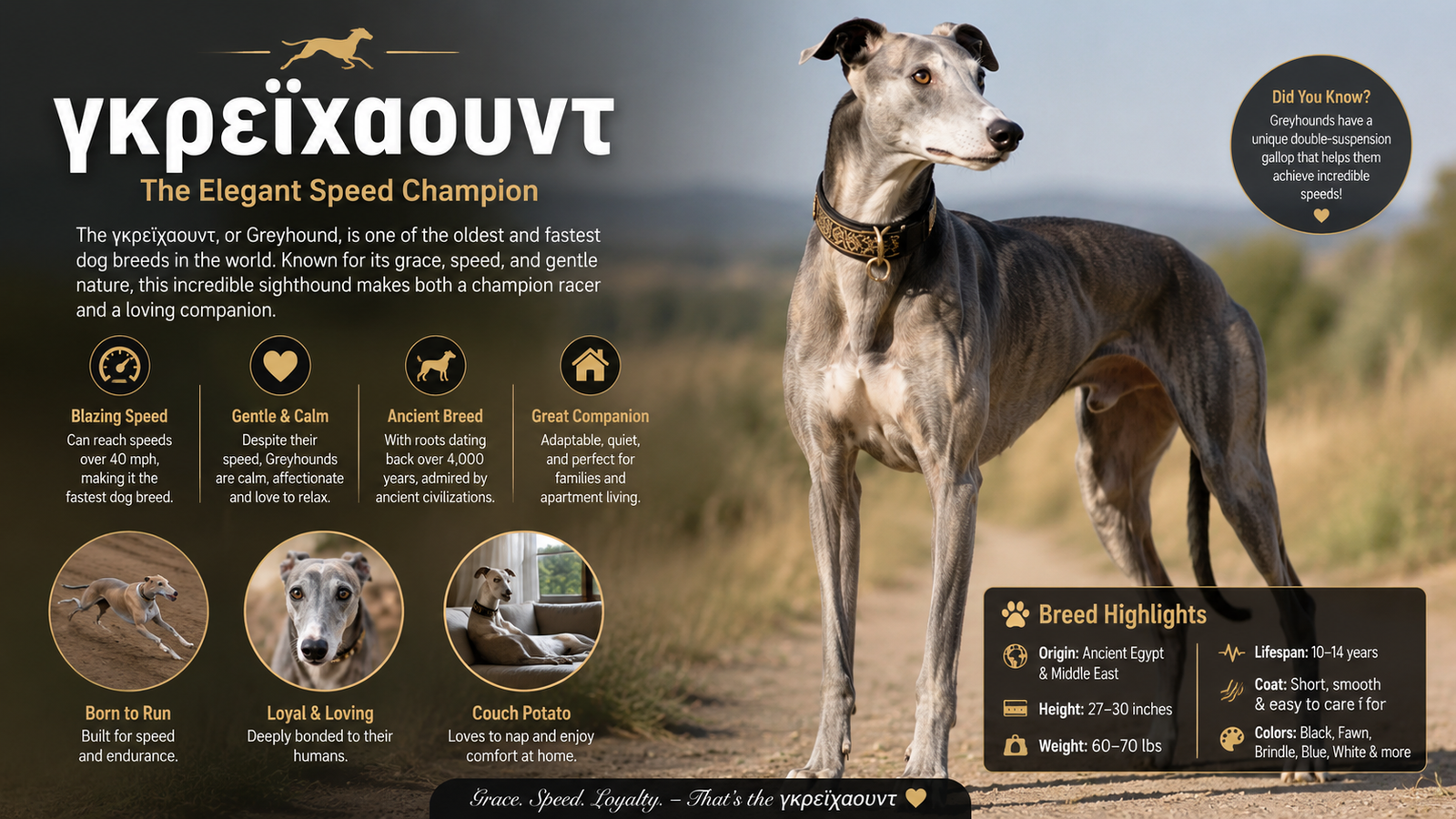
Few dog breeds combine grace, athleticism, and gentleness as naturally as the γκρεϊχαουντ. Instantly recognizable by its slender body, deep chest, long legs, and streamlined silhouette, this remarkable breed has earned a reputation as one of the fastest dogs on Earth. Yet behind its racing image lies a surprisingly calm and affectionate companion that continues to win the hearts of families worldwide.
The history of the γκρεϊχαουντ stretches back thousands of years, making it one of the oldest known dog breeds. Ancient civilizations admired these dogs for their hunting ability, speed, and noble appearance. Over time, they became symbols of prestige and refinement while also serving practical roles in hunting and sport.
Today, the γκρεϊχαουντ enjoys recognition not only for its athletic achievements but also for its gentle temperament and adaptability to modern family life. Understanding this breed requires looking beyond the racetrack and appreciating its rich heritage, unique characteristics, and enduring appeal.
What Is γκρεϊχαουντ?
The γκρεϊχαουντ is a large sighthound breed developed primarily for pursuing prey through sight rather than scent. Unlike scent hounds that track odors over long distances, sighthounds rely on exceptional vision, explosive acceleration, and remarkable speed to chase moving targets.
Originating from ancient hunting traditions, the γκρεϊχαουντ was bred to pursue animals such as hares, rabbits, and deer across open landscapes. Its physical structure reflects this purpose perfectly. Every aspect of its body, from its aerodynamic head to its powerful hindquarters, contributes to efficient movement and high-speed performance.
Although often associated with racing, the modern γκρεϊχαουντ has evolved into a versatile companion. Many retired racing dogs transition successfully into family homes, where they demonstrate a calm and affectionate nature that often surprises first-time owners.
The Ancient Origins of the γκρεϊχαουντ
The story of the γκρεϊχαουντ reaches far into antiquity. Archaeological evidence suggests that dogs resembling modern greyhounds existed more than 4,000 years ago. Images of slender hunting dogs appear in ancient Egyptian art, where they were valued by nobles and rulers.
Historians believe that early forms of the breed spread throughout the Middle East before reaching Europe. As civilizations expanded and trade routes developed, these elegant dogs became highly prized among aristocratic societies.
During the Middle Ages, the γκρεϊχαουντ enjoyed exceptional status in Europe. In some regions, ownership was restricted to nobility due to the breed’s association with wealth and prestige. The dog’s speed and hunting skill made it an essential companion for elite hunters.
Despite changes in society over the centuries, the breed has retained many of the physical and behavioral traits that made it valuable in ancient times. Few dog breeds can claim such a long and well-documented history.
Physical Characteristics That Define the Breed
The appearance of the γκρεϊχαουντ is unlike that of almost any other dog breed. Its body is designed for efficiency, speed, and endurance.
The breed typically stands tall and possesses a lean, muscular frame. A deep chest provides space for a large heart and powerful lungs, while a narrow waist reduces weight and improves agility. Long legs generate tremendous stride length, allowing the dog to cover ground rapidly.
The head is elongated and refined, contributing to the breed’s aerodynamic profile. Large eyes provide excellent peripheral vision, which is crucial for detecting moving prey. The ears are usually small and folded back when relaxed.
One of the most impressive features of the γκρεϊχαουντ is its flexible spine. This adaptation allows the dog to achieve an extended galloping stride, helping it reach extraordinary speeds that can exceed 40 miles per hour under optimal conditions.
Despite its athletic appearance, the breed maintains an elegant and balanced overall structure that reflects centuries of selective breeding.
Why the γκρεϊχαουντ Is One of the Fastest Dogs in the World
The speed of the γκρεϊχαουντ has fascinated people for generations. Its remarkable acceleration and top speed result from a combination of unique anatomical advantages.
Unlike many breeds, the γκρεϊχαουντ possesses a double-suspension gallop. During this running style, all four feet leave the ground twice during each stride cycle. This creates a fluid, powerful motion that maximizes speed and efficiency.
The breed’s lightweight frame reduces resistance, while its muscular hindquarters provide explosive propulsion. A large heart supports exceptional cardiovascular performance, delivering oxygen efficiently during intense activity.
What makes the γκρεϊχαουντ particularly impressive is not only its speed but also its ability to maintain control while moving at such high velocities. This balance between power and precision reflects centuries of development for hunting and pursuit.
Temperament and Personality
Many people assume that a fast dog must be endlessly energetic. Surprisingly, the γκρεϊχαουντ often demonstrates the opposite behavior when indoors.
Owners frequently describe the breed as calm, gentle, and affectionate. After periods of exercise, many greyhounds are content to relax quietly for extended periods. This laid-back nature has earned them the nickname “45-mile-per-hour couch potatoes.”
The breed generally forms strong bonds with family members and enjoys human companionship. While often reserved around strangers initially, most greyhounds are not aggressive and typically display polite behavior.
Their sensitivity and intelligence mean they respond best to positive reinforcement training methods. Harsh corrections can damage trust and reduce confidence.
Because of their hunting heritage, many γκρεϊχαουντ dogs retain a strong prey drive. Careful introductions to smaller animals and proper supervision are important considerations for prospective owners.
The γκρεϊχαουντ as a Family Companion
The γκρεϊχαουντ adapts surprisingly well to family life. Despite its athletic reputation, the breed often thrives in homes that provide comfort, routine, and moderate daily exercise.
Many families appreciate the breed’s quiet nature. Unlike some high-energy working dogs, greyhounds are not typically known for excessive barking or hyperactivity. Their calm demeanor makes them suitable for various living situations, including apartments, provided they receive regular opportunities for exercise.
Children often enjoy the breed’s gentle personality, though interactions should always be supervised to ensure mutual respect and safety. Greyhounds generally prefer peaceful environments and may be less tolerant of rough handling than some other breeds.
With proper socialization and training, the γκρεϊχαουντ can become an affectionate and loyal member of the household.
Exercise Needs and Daily Care
Although the γκρεϊχαουντ is famous for speed, its exercise requirements are often misunderstood. These dogs do not necessarily require constant activity throughout the day.
Regular walks and occasional opportunities to run safely in enclosed areas are usually sufficient for maintaining physical health and mental well-being. Because of their sprinting abilities, secure environments are essential whenever off-leash activity is permitted.
Grooming needs are relatively simple. The breed’s short coat requires minimal maintenance and sheds moderately throughout the year. Routine brushing helps remove loose hair and maintain healthy skin.
Due to their low body fat, greyhounds can be more sensitive to cold temperatures than many other breeds. In cooler climates, protective clothing may be beneficial during outdoor activities.
Comfortable bedding is also important, as their lean build provides less natural cushioning when resting on hard surfaces.
Health Considerations and Longevity
The γκρεϊχαουντ is generally considered a healthy breed, particularly compared to some breeds affected by extensive structural modifications. Nevertheless, responsible ownership involves awareness of potential health concerns.
Like many large breeds, greyhounds may experience joint-related issues as they age. Maintaining a healthy weight and providing appropriate exercise can support long-term mobility.
The breed’s unique physiology also affects veterinary care. Greyhounds process certain medications differently than many other dogs, making breed-specific knowledge valuable when medical treatment is required.
Dental health deserves special attention. Regular oral care helps prevent common dental problems and contributes to overall wellness.
With proper care, many γκρεϊχαουντ dogs enjoy long, healthy lives, often reaching 10 to 14 years of age.
Racing History and Modern Perception
For much of the twentieth century, the γκρεϊχαουντ became closely associated with competitive racing. Organized racing events showcased the breed’s extraordinary speed and athleticism, attracting large audiences in various countries.
In recent decades, public attitudes toward racing have evolved. Increased attention to animal welfare has led to significant changes within the industry. As a result, many retired racing greyhounds now enter adoption programs and find new homes as companion animals.
This transition has helped reshape public understanding of the breed. Many people who once viewed greyhounds solely as racing dogs now recognize their suitability as family pets.
Adoption organizations have played an important role in educating prospective owners about the breed’s true temperament and care requirements.
The Future of the γκρεϊχαουντ
The future of the γκρεϊχαουντ appears increasingly focused on companionship rather than competition. As more people discover the breed’s gentle personality and manageable lifestyle needs, interest in greyhound adoption continues to grow.
Breed enthusiasts and welfare organizations are working to preserve the breed’s health, history, and unique characteristics while promoting responsible ownership. Educational efforts have helped dispel myths and highlight the many qualities that make greyhounds exceptional companions.
Whether admired for its speed, elegance, or affectionate nature, the γκρεϊχαουντ remains one of the most distinctive and respected dog breeds in the world.
Conclusion
The γκρεϊχαουντ represents a remarkable combination of ancient heritage, athletic excellence, and gentle companionship. Few breeds possess such a rich history while remaining so relevant to modern life. Its sleek appearance and incredible speed may capture attention initially, but its calm temperament and affectionate personality often leave the deepest impression.
From ancient hunting grounds to contemporary family homes, the γκρεϊχαουντ has demonstrated extraordinary adaptability. It continues to embody grace, intelligence, and loyalty while offering a unique ownership experience unlike that of any other breed.
For those seeking a dog that combines elegance with kindness, athleticism with relaxation, and history with modern companionship, the γκρεϊχαουντ remains an exceptional choice.
FAQs
What does γκρεϊχαουντ mean?
γκρεϊχαουντ is the Greek term for the Greyhound, a breed known for its speed, elegance, and sighthound hunting abilities.
How fast can a γκρεϊχαουντ run?
A γκρεϊχαουντ can reach speeds exceeding 40 miles per hour, making it one of the fastest dog breeds in the world.
Is a γκρεϊχαουντ a good family dog?
Yes. Despite its racing background, the γκρεϊχαουντ is generally calm, affectionate, and well-suited to family life.
Do γκρεϊχαουντ dogs require a lot of exercise?
They need regular exercise, but they are often less demanding than many people expect and enjoy spending significant time resting.
Are retired racing γκρεϊχαουντ dogs easy to adopt?
Yes. Many adoption organizations specialize in helping retired racing greyhounds transition successfully into loving family homes.

Introduction
The baluchi hound is one of the most fascinating yet least understood hunting dogs of South and Central Asia. Known for its graceful appearance, remarkable speed, and deep connection to the rugged landscapes of Balochistan, this breed has served local communities for generations. While many people recognize the Afghan Hound as a famous long-haired sighthound, the baluchi hound remains relatively unknown outside its native region despite sharing a similar heritage and purpose.
For centuries, nomadic tribes and hunters valued this elegant dog for its endurance, intelligence, and ability to pursue prey across harsh deserts and mountainous terrain. The breed developed naturally in an environment where survival depended on strength, speed, and adaptability. As a result, the baluchi hound became a highly capable working dog rather than a breed shaped primarily for show.
Today, growing interest in rare and indigenous dog breeds has brought renewed attention to the baluchi hound. Dog enthusiasts, historians, and canine researchers are increasingly exploring its origins, characteristics, and cultural importance. Understanding this remarkable breed provides insight not only into canine history but also into the traditions and lifestyles of the people who relied upon it.
What Is Baluchi Hound?
The baluchi hound is a traditional sighthound originating from the Balochistan region, which spans parts of Pakistan, Iran, and Afghanistan. As a sighthound, it primarily hunts by sight rather than scent, using exceptional vision and explosive speed to chase game over long distances.
This breed is often associated with the Afghan Hound due to similarities in appearance, especially in long-coated varieties. However, many experts consider the baluchi hound a distinct regional type that developed independently through centuries of selective breeding by local tribes. Depending on the specific area and bloodline, the breed may display variations in coat length, color, and overall structure.
The baluchi hound was traditionally used to hunt animals such as hares, foxes, gazelles, and other fast-moving prey. Its slender body, long legs, deep chest, and aerodynamic frame allow it to move with extraordinary efficiency across difficult terrain.
Historical Origins and Cultural Heritage
The history of the baluchi hound is deeply connected to the ancient trading routes and tribal cultures of the region. Balochistan has long served as a crossroads linking South Asia, Central Asia, and the Middle East. Over centuries, people traveling through these areas brought various hunting dogs that eventually influenced local canine populations.
Many historians believe that the ancestors of the baluchi hound may share common roots with ancient Middle Eastern and Central Asian sighthounds. These dogs were prized by hunters who needed reliable companions capable of pursuing prey in vast open landscapes.
Among Baloch tribes, hunting was often more than a means of obtaining food. It represented skill, tradition, and social status. Owning a well-trained baluchi hound was a source of pride. Families carefully preserved successful bloodlines, passing breeding knowledge from one generation to the next.
Unlike modern breeds developed under kennel club standards, the baluchi hound evolved through practical selection. Dogs that demonstrated speed, intelligence, stamina, and hunting success were bred, while less capable animals were not. This process helped create a highly functional and resilient working dog.
Physical Characteristics of the Baluchi Hound
The appearance of the baluchi hound reflects centuries of adaptation to demanding environments. Although individual dogs may vary, several physical traits are commonly observed.
The breed typically possesses a lean and athletic build. Long legs provide powerful stride length, enabling rapid acceleration and sustained speed. A deep chest supports efficient lung capacity, while a narrow waist contributes to agility and balance during high-speed pursuits.
Many baluchi hounds display a long, silky coat, particularly around the ears, legs, tail, and body. However, shorter-coated varieties also exist, especially in regions where extreme heat favors less insulation. Coat colors can range from cream, gold, black, and brindle to combinations featuring white markings.
The head is generally refined and elongated, with expressive eyes that convey alertness and intelligence. Long ears often hang gracefully alongside the face, adding to the breed’s distinctive appearance. The tail is usually long and carried with a gentle curve.
One of the most striking aspects of the baluchi hound is its effortless movement. Even at rest, the dog appears elegant and poised. When running, it demonstrates a combination of power and grace rarely matched by other breeds.
Temperament and Personality
The baluchi hound possesses a temperament shaped by independence and close cooperation with humans. Unlike some working breeds that constantly seek direction, this dog was bred to make quick decisions during hunts. As a result, it often displays a thoughtful and self-reliant personality.
With family members, the breed is typically loyal and affectionate. Many owners describe these dogs as gentle companions who form strong bonds with trusted people. They often enjoy spending time near their families while maintaining a calm and dignified presence.
Around strangers, baluchi hounds may appear reserved rather than openly friendly. This cautious nature stems from generations of protecting themselves and their handlers in remote environments. Early socialization helps develop confidence and adaptability in modern settings.
Despite their elegant appearance, these dogs possess a strong prey drive. Small animals may trigger their instinct to chase, making supervision important in certain situations. Proper training and controlled introductions can help manage these natural tendencies.
Hunting Ability and Working Skills
Few breeds can match the hunting capabilities of the baluchi hound. The dog’s body and instincts work together to create an exceptionally efficient predator.
Its keen eyesight allows it to detect movement at significant distances. Once prey is spotted, the dog can accelerate rapidly and maintain impressive speed across open terrain. Unlike scent hounds that follow odor trails, sighthounds rely on visual tracking and swift pursuit.
Endurance is another defining trait. The landscapes of Balochistan often require dogs to travel long distances while conserving energy. The baluchi hound developed the ability to maintain performance under challenging conditions, including extreme temperatures and rough terrain.
Hunters traditionally valued the breed’s intelligence as much as its speed. A successful hunting dog needed to anticipate prey movements, navigate obstacles, and adapt to changing situations. These qualities remain evident in modern representatives of the breed.
Adaptation to Harsh Environments
One reason the baluchi hound survived for centuries is its remarkable adaptability. The breed evolved in regions characterized by deserts, rocky hills, and semi-arid plains where resources could be limited.
Its lean body helps regulate heat efficiently during strenuous activity. Long legs allow the dog to cover ground economically, reducing energy expenditure over extended distances. Even the coat serves a practical function, protecting against temperature extremes while allowing airflow.
The breed also developed strong resilience. Dogs unable to withstand local conditions simply did not survive or reproduce. Over generations, this natural selection produced animals capable of thriving where many other breeds would struggle.
Such adaptability remains one of the baluchi hound’s most valuable traits today. Whether living in rural environments or active households, the breed generally responds well when provided with sufficient exercise and mental stimulation.
Care Requirements and Daily Needs
Caring for a baluchi hound requires an understanding of its active nature and unique physical characteristics. These dogs thrive when given opportunities to run and explore safely.
Regular exercise is essential. Long walks alone may not fully satisfy the breed’s natural athleticism. Secure spaces where the dog can move freely often contribute significantly to physical and mental well-being.
Coat maintenance varies depending on coat length. Long-haired individuals require consistent brushing to prevent tangles and maintain healthy fur. Shorter-coated varieties generally need less grooming but still benefit from routine care.
Nutrition should support an active lifestyle. High-quality food appropriate for the dog’s age, size, and activity level helps maintain muscle condition and overall health. Access to clean water is particularly important in warm climates.
Training works best when approached with patience and respect. Harsh methods may damage trust, whereas positive reinforcement encourages cooperation and confidence.
Health and Longevity
The baluchi hound is generally regarded as a hardy breed due to its history of natural selection. Unlike some heavily standardized breeds, it has avoided many issues associated with excessive selective breeding.
Nevertheless, responsible care remains important. Regular veterinary checkups help identify potential concerns before they become serious. As with many large sighthounds, monitoring joint health, maintaining appropriate weight, and providing balanced nutrition can support long-term wellness.
The breed’s athletic nature also means owners should pay attention to exercise-related injuries, particularly during periods of rapid growth. Responsible breeding practices further contribute to preserving the health and vitality of future generations.
With proper care, many baluchi hounds enjoy long, active lives and remain energetic well into adulthood.
The Baluchi Hound in the Modern World
Today, the baluchi hound faces both opportunities and challenges. Interest in rare native breeds has increased, leading more people to appreciate its historical and cultural significance. At the same time, modernization and changing lifestyles have reduced traditional hunting practices in many areas.
Conservation efforts play an important role in protecting the breed’s future. Enthusiasts and breeders are working to document bloodlines, preserve genetic diversity, and raise awareness about this remarkable dog.
Beyond hunting, many baluchi hounds excel as companions for active owners who appreciate their intelligence, loyalty, and elegance. Their unique combination of beauty and functionality continues to attract admirers around the world.
As awareness grows, the breed may gain greater recognition while retaining the qualities that made it valuable for centuries.
Conclusion
The baluchi hound represents far more than a beautiful hunting dog. It embodies the history, culture, and resilience of the people who developed it across the challenging landscapes of Balochistan. Combining speed, endurance, intelligence, and grace, this ancient sighthound remains one of the most impressive canine treasures of the region.
Although less famous than some related breeds, the baluchi hound deserves recognition for its unique heritage and exceptional abilities. Its story highlights the close relationship between humans and working dogs, demonstrating how careful selection over generations can create an animal perfectly suited to its environment.
As interest in rare indigenous breeds continues to grow, preserving the baluchi hound becomes increasingly important. By understanding and appreciating this remarkable dog, future generations can help ensure that its legacy endures.
FAQs
What is a baluchi hound used for?
A baluchi hound was traditionally used for hunting fast-moving prey such as hares, foxes, and gazelles using sight rather than scent.
Is the baluchi hound the same as the Afghan Hound?
No. While the two breeds share similarities and may have related ancestry, many experts consider the baluchi hound a distinct regional sighthound with its own history and characteristics.
How fast can a baluchi hound run?
Exact speeds vary, but like other sighthounds, the baluchi hound is capable of extremely fast running and rapid acceleration when chasing prey.
Does the baluchi hound make a good family pet?
Yes, when properly trained and socialized. The breed is generally loyal, affectionate with family members, and calm indoors after receiving sufficient exercise.
Is the baluchi hound a rare breed?
Yes. The baluchi hound is considered relatively rare outside its native regions of Pakistan, Iran, and Afghanistan, making it one of the lesser-known traditional sighthound breeds.

lokumları: The Sweet Legacy of Turkish Delight Across Generations

tatavel: Uncovering the Meaning Behind an Emerging Online Trend

pabington: Exploring the Mystery Behind a Rising Online Phenomenon

riverbank collapse iford playing fields Shocks Local Residents

glasgow water main break shettleston road Sparks Infrastructure Alarm
